Six Reasons Why Utility Locating Is Vital to the Utility Industry
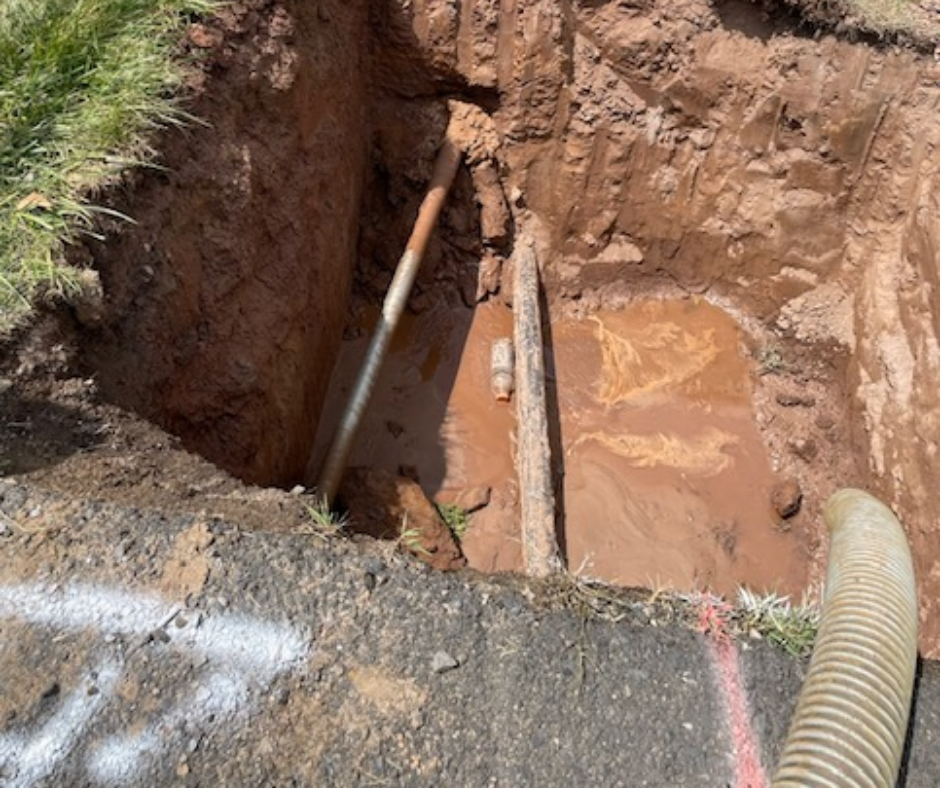
In today’s fast-paced infrastructure landscape, utility locating isn’t just a helpful step—it’s an essential safeguard that protects people, property, and the systems that keep our communities running. From electric and gas to telecommunications and water, underground utilities form an intricate network beneath our feet. Accurately identifying these lines before excavation or construction is critical to maintaining project efficiency, safety, and compliance.
Let’s take a look at why utility locating is so important to the utility industry—and the risks organizations face when they skip this crucial step.
1. Protecting Public Safety
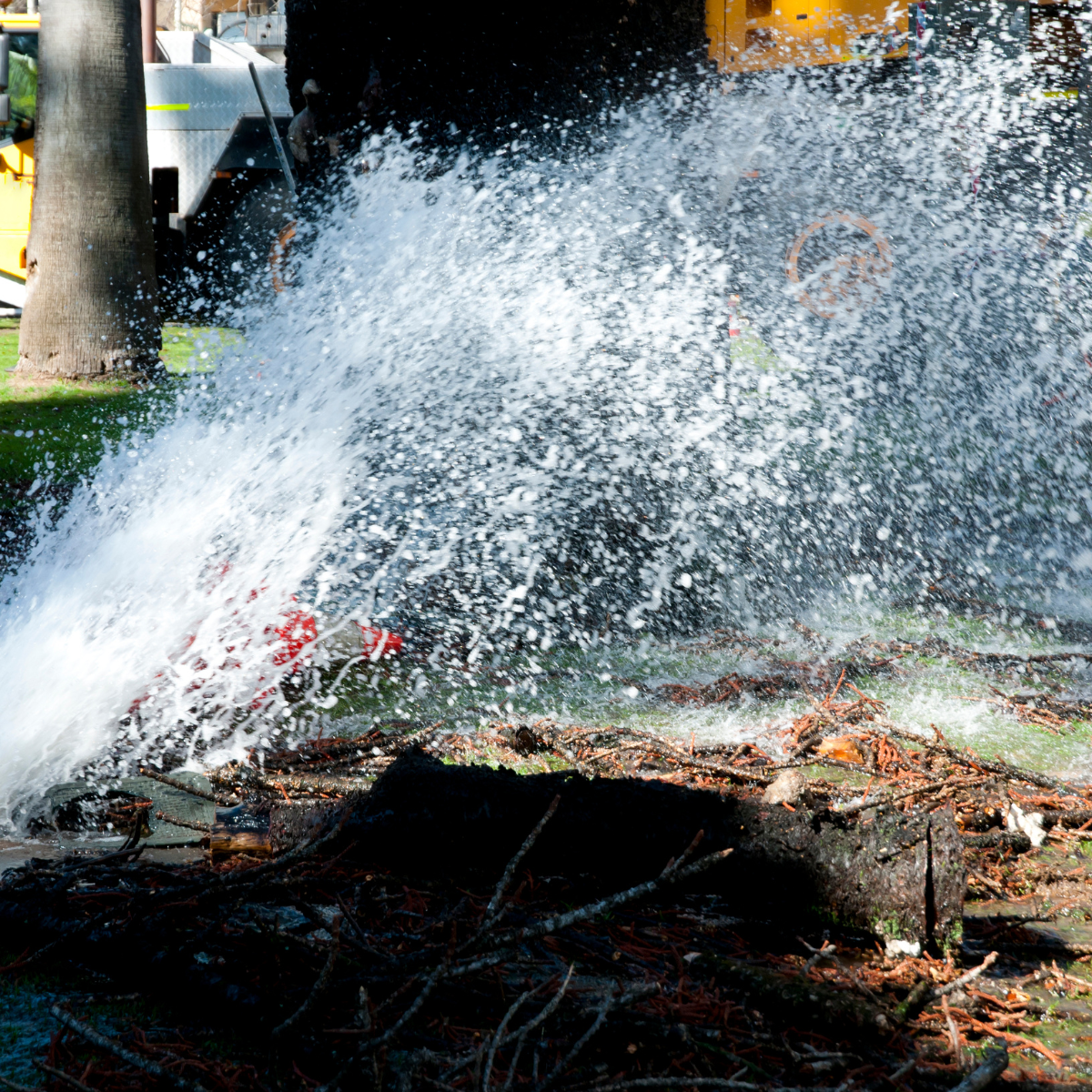
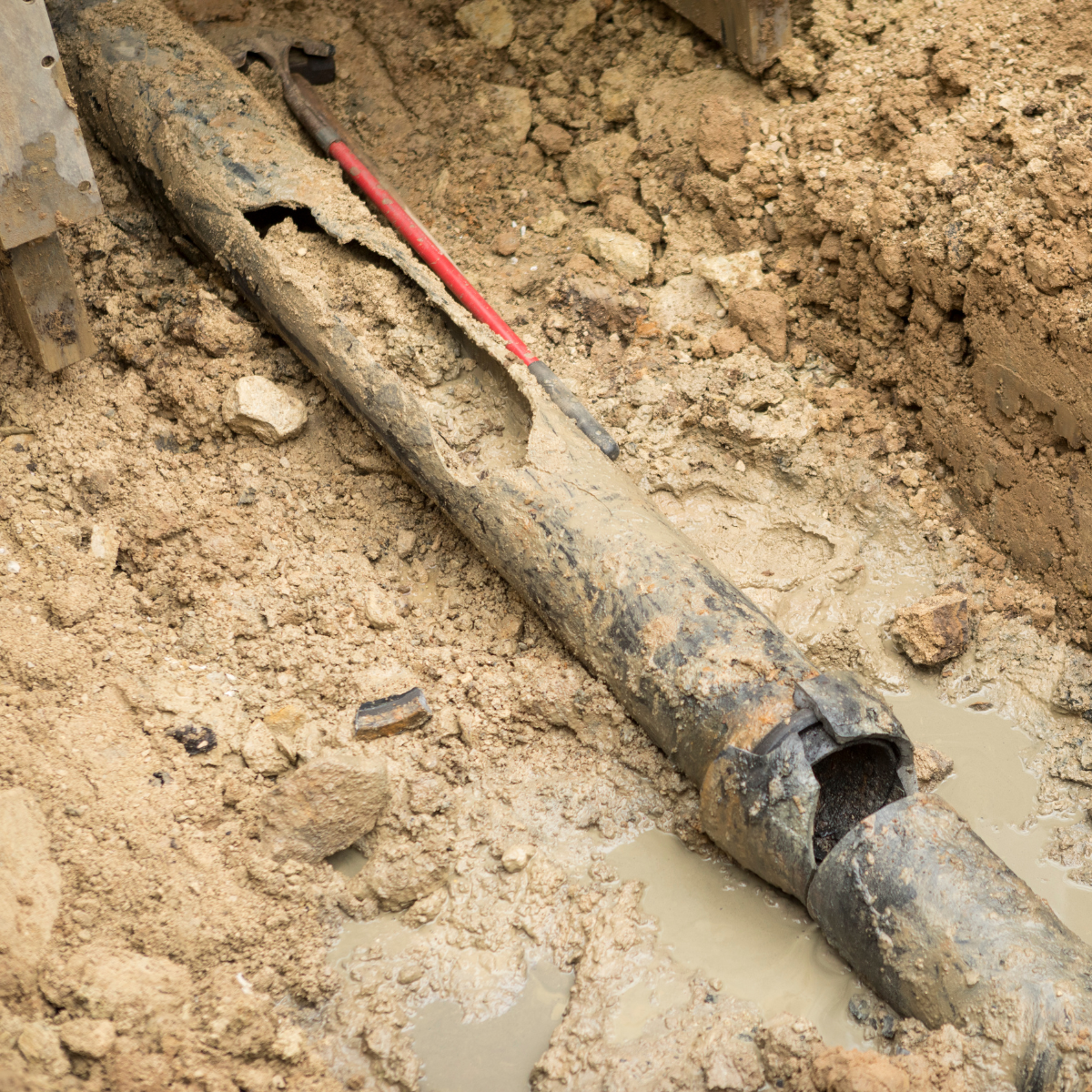
Safety is the number one reason why utility locating is so important to any job. Striking a buried utility line can lead to dangerous, even life-threatening, situations. Damaged gas lines can cause explosions. Severed electrical lines can pose serious shock hazards, and compromised water or sewer lines can create environmental risks.
Accurate locating ensures crews can work with confidence, knowing the ground beneath them is properly mapped out. This not only protects utility workers but also safeguards nearby residents, motorists, and businesses.
2. Preventing Costly Damage and Delays
Hitting an underground utility doesn’t just stop work—it can halt entire projects. Repairs, service interruptions, fines, and rescheduling all add up quickly. According to industry estimates, damage to utility infrastructure costs billions each year in the U.S. alone.
Utility locating dramatically reduces these risks by giving crews a clear understanding of what lies below. When contractors can avoid unexpected obstacles, projects stay on schedule and within budget—reducing downtime and keeping customers satisfied.
3. Supporting Reliable Service for Customers
Every damaged line has a ripple effect. Whether it’s a neighborhood losing electricity, a business losing internet, or a community dealing with water outages, utility disruptions impact daily life.
By identifying and protecting these lines during construction or utility repair work, utility locating helps maintain consistent service across entire communities. This reliability supports customer trust, strengthens utility-provider relationships, and prevents the headaches involved in emergency service calls.
4. Ensuring Regulatory Compliance
Utility locating isn’t optional—it’s required. Federal and state regulations mandate that contractors contact local “One Call” systems (like 811) before digging. Organizations that fail to follow these rules risk hefty fines, legal liability, and project shutdowns.
Professional locating helps contractors meet compliance standards, provide documentation, and demonstrate due diligence. It’s a proactive way to avoid penalties while maintaining a high standard of operational responsibility.
5. Improving Project Planning and Efficiency
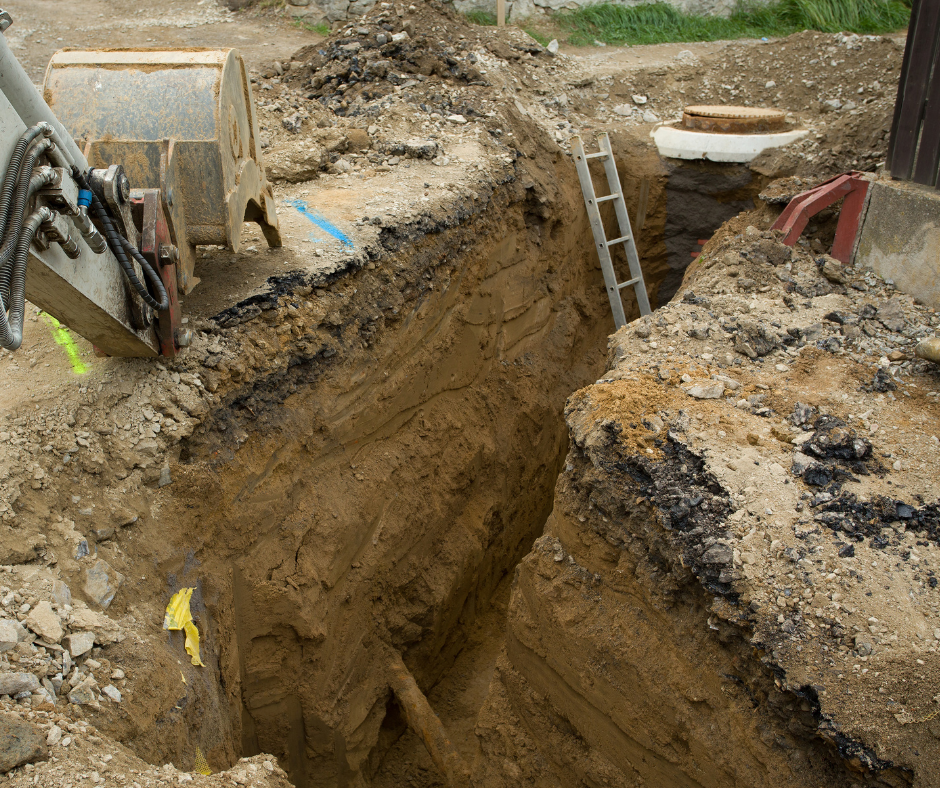
A well-planned project starts with accurate information. Utility locating offers detailed maps and insights that help teams design smarter, dig safely, and avoid unnecessary excavation.
With the right data, utility contractors can:
- Adjust equipment selections
- Modify trench paths
- Optimize timelines
- Reduce rework
- Improve coordination across trades
This streamlined workflow boosts productivity and leads to better outcomes for everyone involved.
6. Protecting the Integrity of Utility Infrastructure
Utility networks continue to expand as new development rises—and that means existing lines are more vulnerable than ever. Locating prevents accidental damage and preserves the integrity of critical infrastructure, allowing utilities to operate effectively for decades to come.
By protecting these systems, utilities reduce long-term maintenance costs and help create more resilient communities.
A Small Step With a Big Impact
In the utility industry, the importance of utility locating cannot be overstated. It’s a simple step that plays a massive role in safety, cost control, uptime, and regulatory compliance. Whether for repairs, new construction, or preventive maintenance, locating is the foundation of responsible, efficient utility work.
When contractors and utility providers prioritize locating, they protect their crews, their communities, and the essential systems everyone relies on.