By Delaware Valley Utility Contractors
•
September 14, 2026
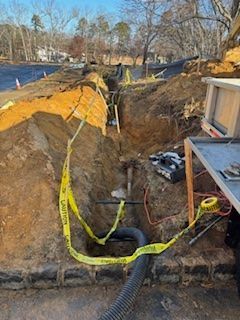
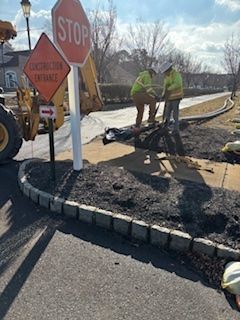
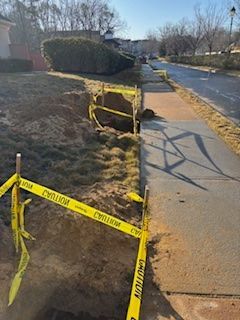
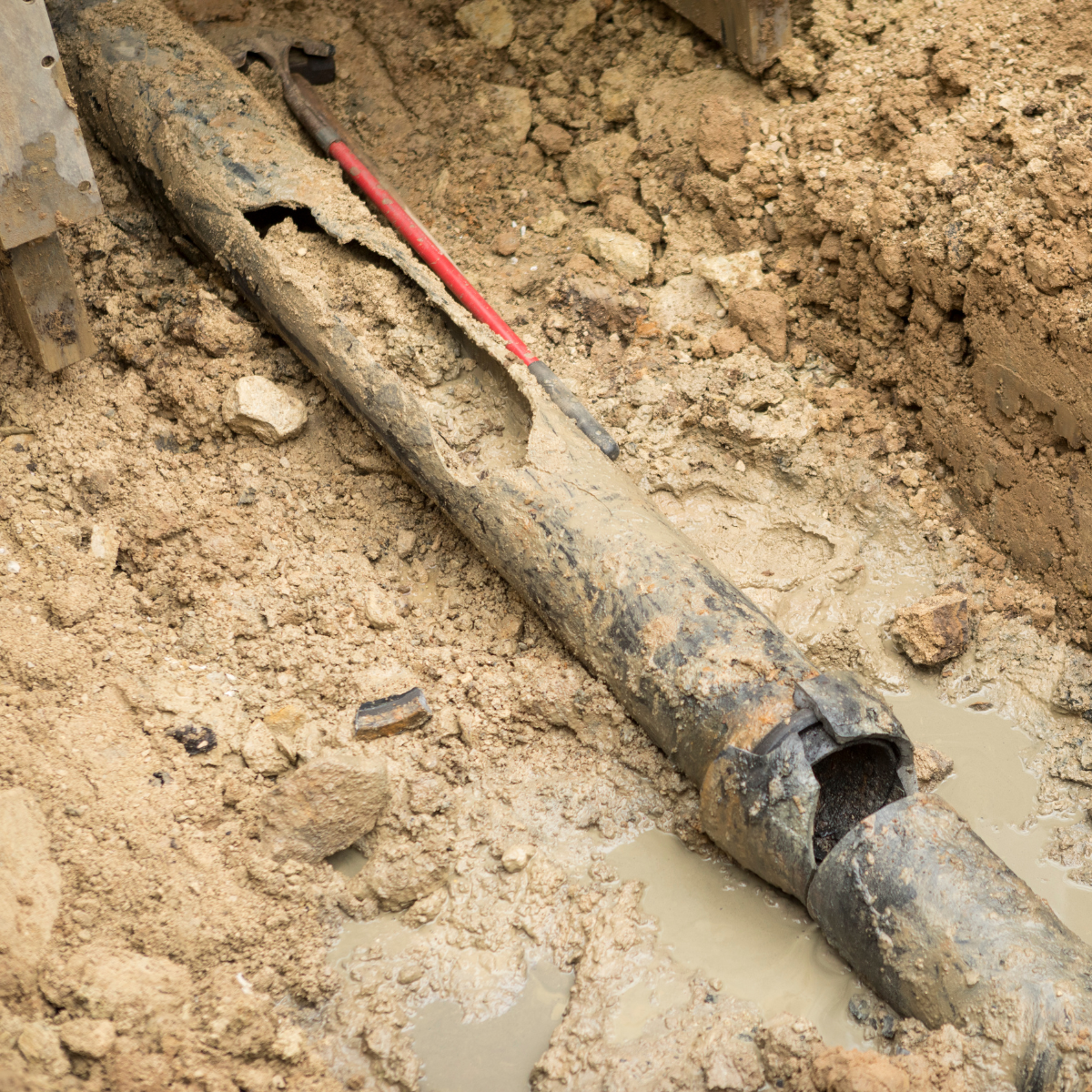
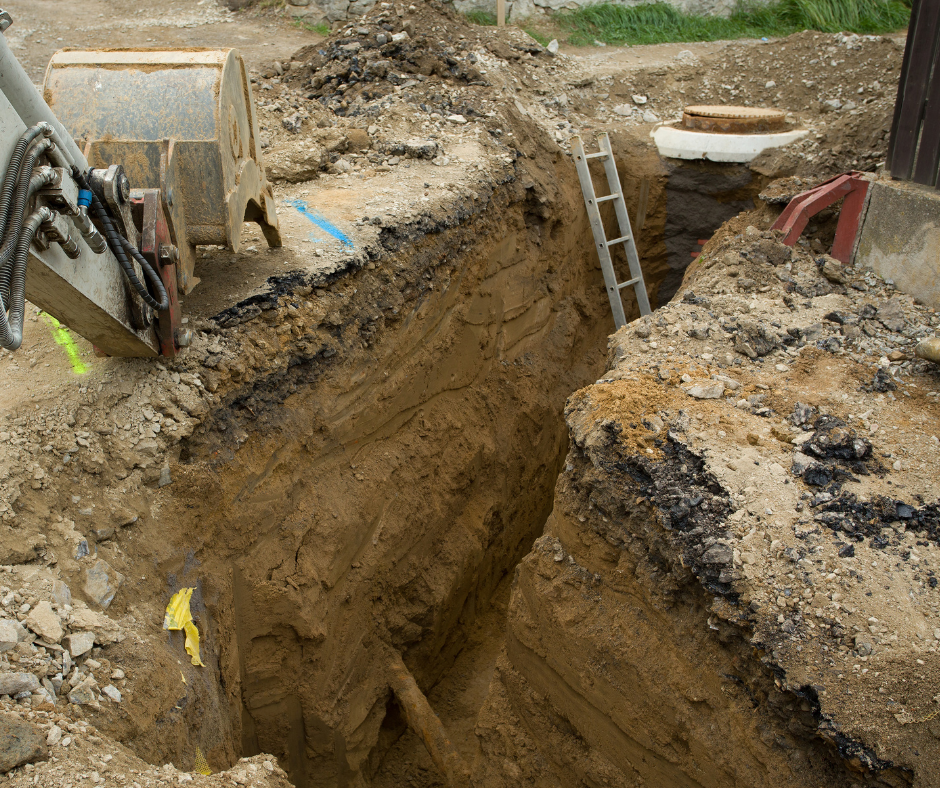
When people think about utility construction or repair, they usually picture the visible work: excavators moving dirt, crews installing pipe, equipment working around the clock, and roads eventually being put back together. But some of the hardest parts of utility work are the things most people never see. It is the planning before the first bucket hits the ground. It is dealing with existing utilities that may not be exactly where the plans show them. It is coordinating crews, traffic, inspections, weather, property owners, municipalities, and schedules — often at the same time. At Delaware Valley Utility Contractors, the job is about more than digging a trench and installing infrastructure. Successful utility work depends on preparation, communication, experience, and the ability to solve problems as conditions change. Here are some of the challenges that rarely get talked about. The Ground Does Not Always Match the Plans Construction plans are essential, but the field can tell a different story. Underground infrastructure has often been installed, repaired, replaced, or modified over many years. Records may not capture every change, and field conditions can differ from what was expected. That means crews have to stay alert. A water line, sewer connection, gas line, electrical conduit, or telecommunications facility can change the way a project needs to be approached. Locating utilities, carefully exposing existing infrastructure, and quickly communicating unexpected conditions are all critical parts of the work. Good utility construction requires respect for what is underground — especially when you cannot see the full picture from the surface. Coordination Is a Full-Time Job Utility projects rarely involve just one crew doing one task. There may be excavation crews, pipe crews, equipment operators, inspectors, engineers, municipalities, subcontractors, utility owners, traffic-control teams, and property owners involved in the same project. One delay can affect everyone. A delivery that arrives late can affect production. A required inspection can affect the schedule. An unexpected utility conflict can change the day's work. Weather can turn a straightforward excavation into a much more difficult operation. The people managing and coordinating the work must keep all these moving pieces connected. That coordination may not be visible when the road is opened to traffic, but it is a major part of completing the project. Safety Has to Come First Utility construction is demanding work. Excavation, heavy equipment, underground utilities, traffic, confined spaces, and changing site conditions create hazards that crews must manage carefully. The pressure to keep a project moving never eliminates the need to work safely. That means following appropriate excavation and trenching practices, maintaining awareness of surrounding utilities and equipment, using proper protective measures, and communicating clearly with the crew. The safest project is not necessarily the one completed in a single day. It is the one where everyone gets home safely, and the work keeps moving because the crew has established good habits from the beginning. Weather Can Change Everything Rain, freezing temperatures , snow, heat, and saturated ground can have a major impact on utility construction. Heavy rain can affect excavation conditions. Frozen ground can make digging more difficult. Extreme heat can put additional strain on workers and equipment. Wet conditions can affect access, material handling, restoration, and overall productivity. Contractors must be prepared for changing conditions throughout the year, which requires flexibility. A good crew knows that the schedule may need to change when the conditions change. The goal is not simply to push through every condition. It is to make sound decisions that protect workers, infrastructure, equipment, and the quality of the finished project. Restoration Is More Important Than People Realize Installing the utility is only part of the job. Once the underground work is complete, the disturbed area must be addressed properly. Depending on the project, that can involve backfilling, compaction, paving, concrete, landscaping, or other forms of restoration. The quality of that work matters. A utility project should not simply leave behind evidence that construction took place. Proper restoration helps return the area to an appropriate condition and can be an important part of the project's overall success. Problem-Solving Is Part of the Trade No matter how carefully a project is planned, unexpected conditions can happen. For example, the soil is different from what was anticipated. Or an existing utility is in an unexpected location. That is where experience matters. Utility construction is not a job where every situation can be solved by following a checklist. Crews need to recognize problems, communicate them, evaluate options, and make decisions that keep the project moving without sacrificing safety or quality. That problem-solving ability is one of the less visible skills behind successful utility work. The Work Nobody Sees Is Often the Work That Matters Most When a utility project is completed, most people see the finished road, sidewalk, development, or property. They do not see the: planning meetings utility coordination careful excavation around existing infrastructure. conversations between crews, inspectors, engineers, municipalities, and property owners. decisions made when field conditions change. work that went into making the final installation look routine. But that is the reality of professional utility construction. The hardest part is often not the physical work itself. It is managing everything that surrounds the physical work — safely, efficiently, and with enough flexibility to handle the unexpected. For Delaware Valley Utility Contractors, that is an important part of what utility construction means: doing the work underground while thinking about everything happening above it. Because when utility work is done right, the finished project is functional, clean, and safe.