Emergency Preparedness on Utility Repair Job Sites: What Every Crew Should Know
As National Preparedness Month comes to a close, utility contractors can still take a fresh look at how crews prepare for emergencies. On a utility repair jobsite, conditions can change quickly. Severe weather, trench incidents, equipment failures, utility strikes, fires, hazardous material releases, and medical emergencies can turn a routine repair into a high-risk situation in seconds.
For Delaware Valley Utility Contractors (DVUC), preparedness is about more than having an emergency contact list. It means giving every crew member the knowledge, communication tools, equipment, and clear procedures needed to respond safely when the unexpected happens.
Why Emergency Preparedness Matters on Utility Job Sites
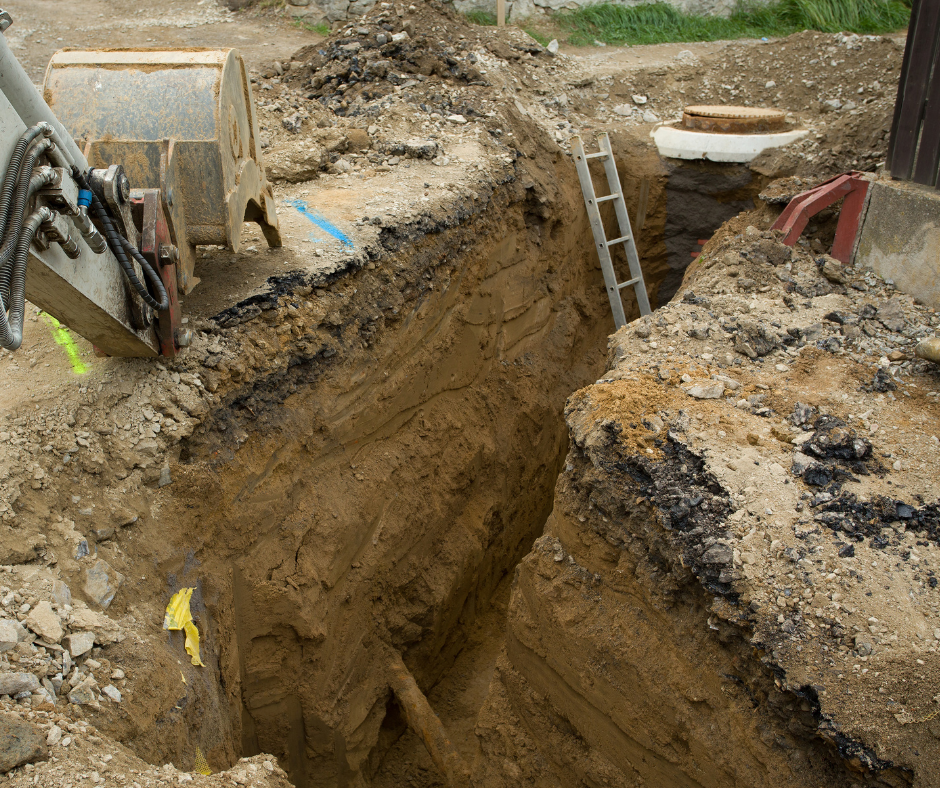
Utility construction and repair sites are constantly changing. Excavations may shift, equipment may move throughout the site, traffic patterns can change, and crews may work around underground and overhead utilities. Understanding these changing conditions and the potential hazards they create is essential to maintaining a safe jobsite.
Build an Emergency Action Plan Before Work Begins
An effective emergency action plan should answer several basic questions:
- What could go wrong?
- Who is responsible for what?
- How will the crew be alerted?
- Where will everyone go?
- How will workers be accounted for?
- Who will contact emergency responders?
- When is it safe to return to the site?
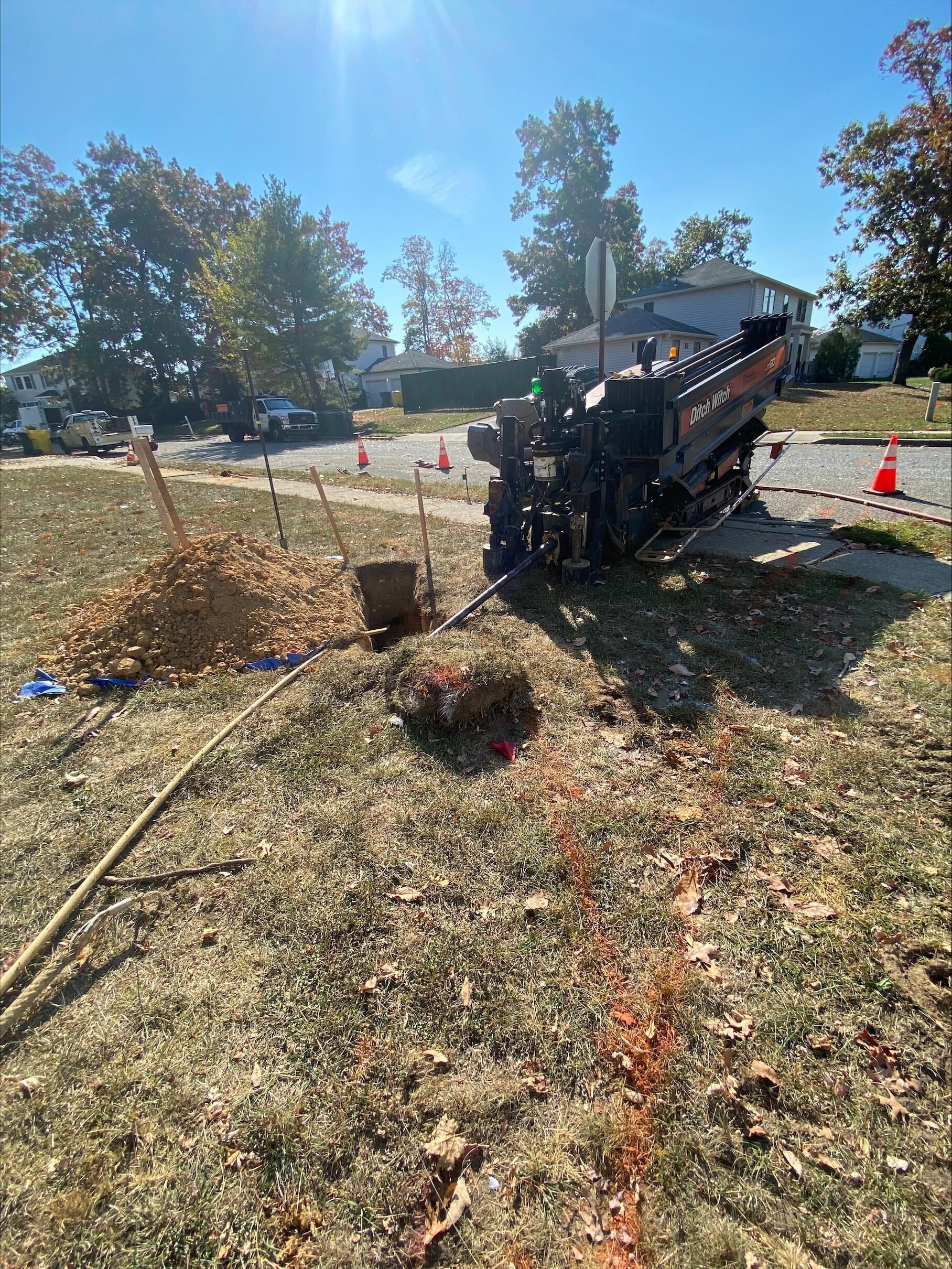
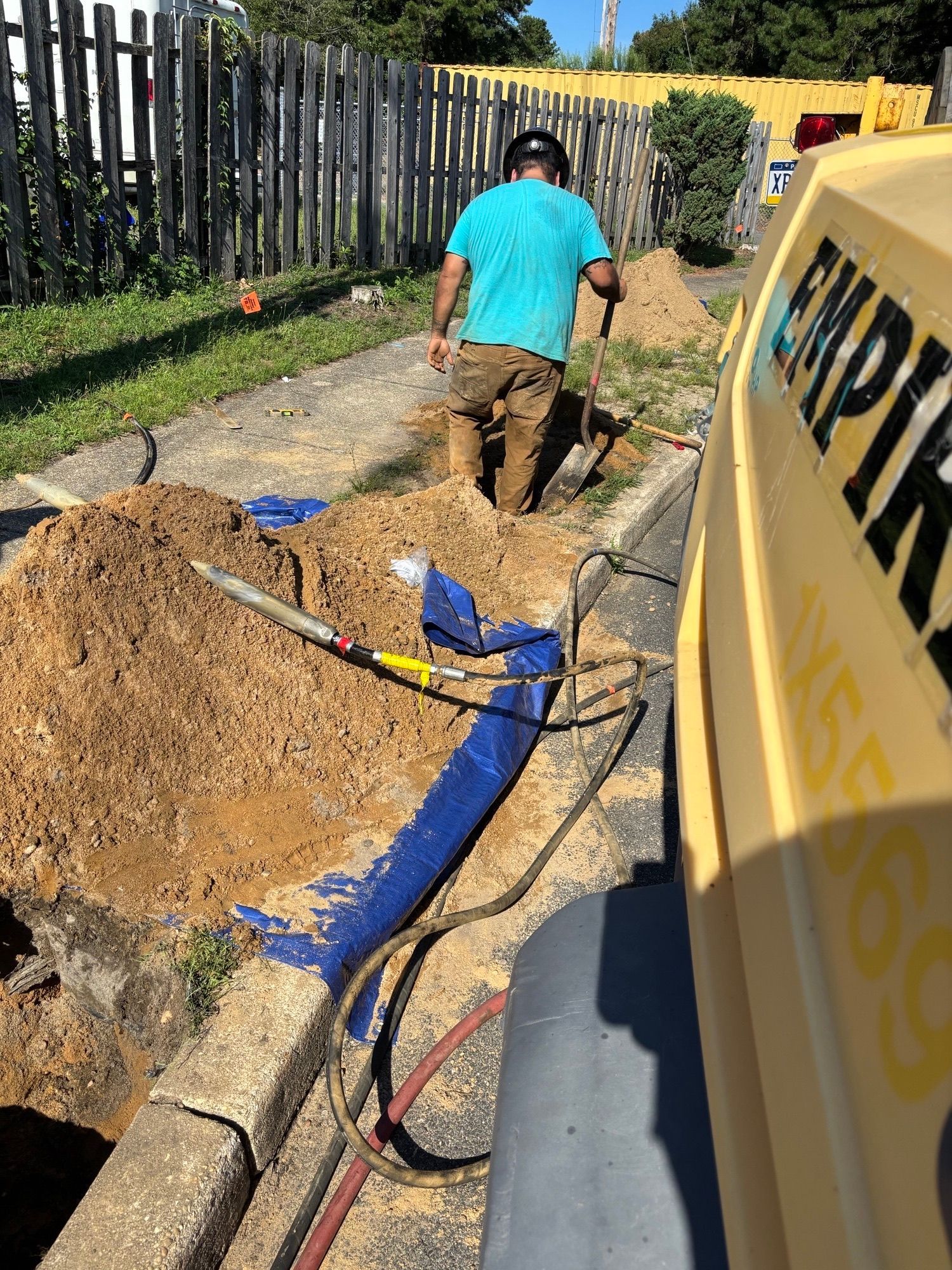
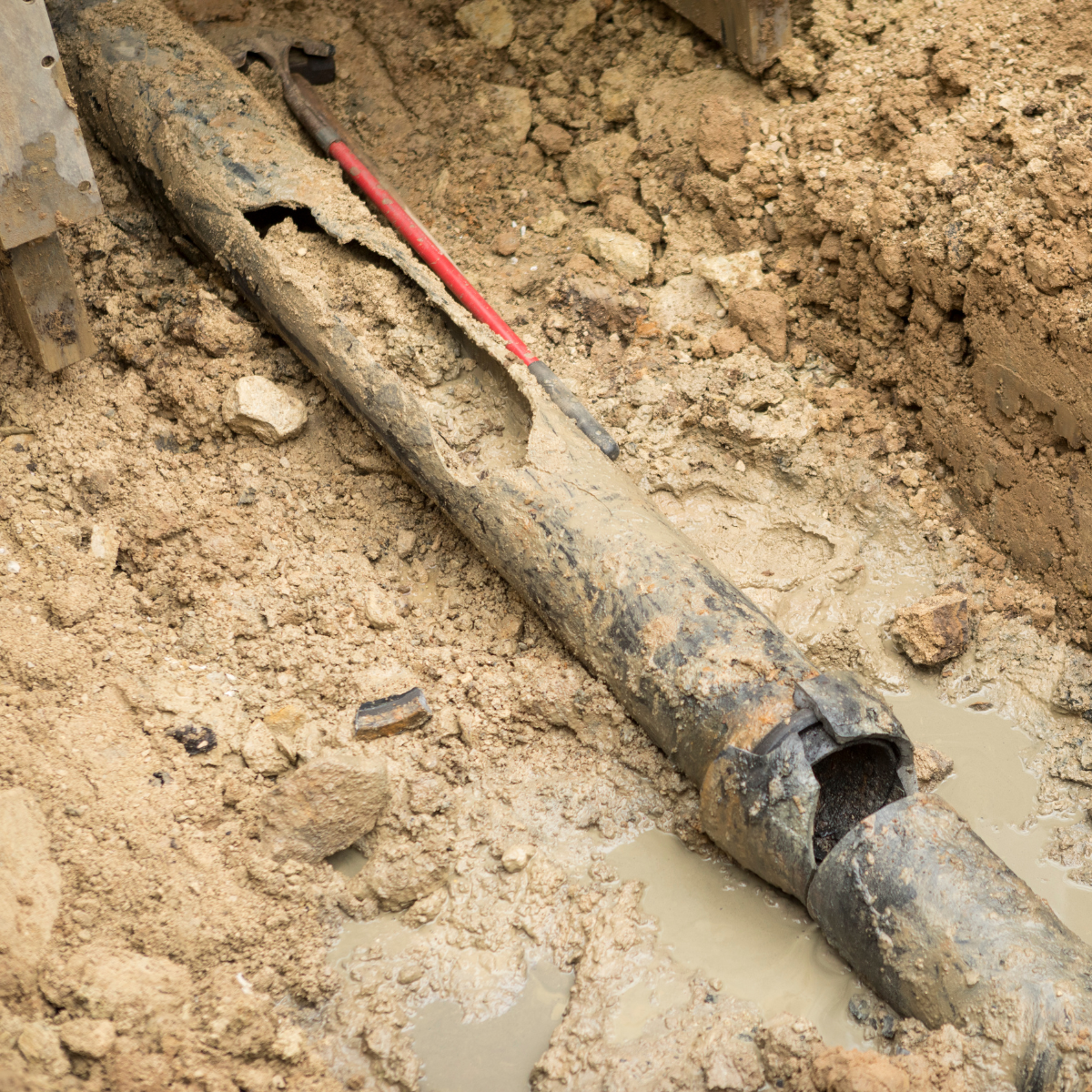
At DVUC, this planning mindset is critical because utility work can involve trenching, sewer and gas line installation and repair, vacuum excavation, directional drilling, pipe fusion, and other specialized operations.
Identify the Most Likely Jobsite Emergencies
Preparedness starts with understanding the hazards specific to each project. Depending on the work and location, crews may need procedures for:
- Severe thunderstorms, flooding, high winds, hurricanes, or extreme heat
- Trench or excavation emergencies
- Underground utility strikes
- Gas releases or suspected leaks
- Equipment fires or mechanical failures
- Traffic incidents around the work zone
- Serious injuries or medical emergencies
- Hazardous material exposure
- Power outages or loss of site communications
The goal isn’t to predict every possible emergency. It’s to make sure the crew knows how to respond to the situations most relevant to the worksite.
Make Communication Part of the Plan
A plan only works if workers can receive and understand emergency instructions.
Before work begins, crews should know:
- Who has the authority to stop work or order an evacuation
- How an emergency will be announced
- Where the primary and secondary assembly areas are located
- How emergency services will be contacted
- How workers will be accounted for
- How changes to the plan will be communicated
Clear communication enables crews to respond quickly and effectively when conditions change.
Keep Emergency Access Clear
During an emergency, seconds matter. Equipment, materials, vehicles, and debris should never block designated evacuation paths or prevent emergency responders from reaching the site.
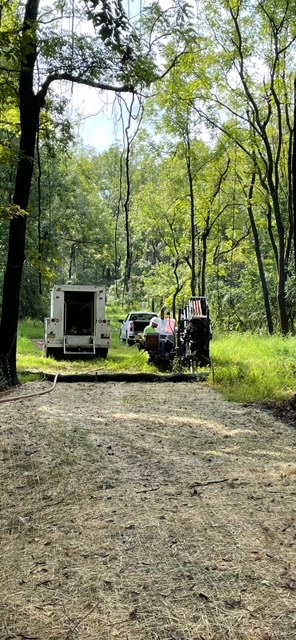
When working along roads, in developed areas, or around active infrastructure, maintaining clear access to the jobsite allows emergency responders to reach the site quickly and provide help when needed.
Don’t Forget Weather Preparedness
Weather conditions can quickly affect a utility jobsite. Heavy rain can impact excavations and access roads, while high winds, lightning, flooding, and extreme temperatures can create additional hazards.
For crews working throughout Pennsylvania and New Jersey, monitoring changing weather conditions should be part of daily jobsite planning—not an afterthought.
Train, Practice, and Update
An emergency plan should never be filed away and forgotten. Workers should understand the parts of the emergency plan that apply to their responsibilities and know what to do when an emergency occurs.
A short toolbox talk can be an effective opportunity to review:
- Emergency contacts
- Evacuation routes
- Assembly locations
- Communication methods
- First-aid resources
- Weather procedures
- Site-specific hazards
- Stop-work expectations
The more familiar these procedures become, the easier it is for crews to respond calmly and efficiently when an emergency occurs.
Preparedness Protects People and Keeps Projects Moving
Emergency preparedness is ultimately about people. A well-prepared crew is better positioned to recognize hazards, communicate quickly, account for workers, and coordinate with emergency responders.
At Delaware Valley Utility Contractors, “safety first” is not just a saying; it’s our standard. It’s an essential part of delivering quality utility installation, repair, and emergency response services throughout the region.
This National Preparedness Month, take a few minutes to ask a simple question before the next job begins:
If an emergency happened here right now, would every crew member know what to do?
If the answer isn’t a confident yes, it’s time to review the plan.
Preparedness isn’t just about responding to emergencies. It’s about being ready before they happen.