How Weather in the Northeast Affects Underground Utilities
What Property Owners in Pennsylvania and New Jersey Need to Know
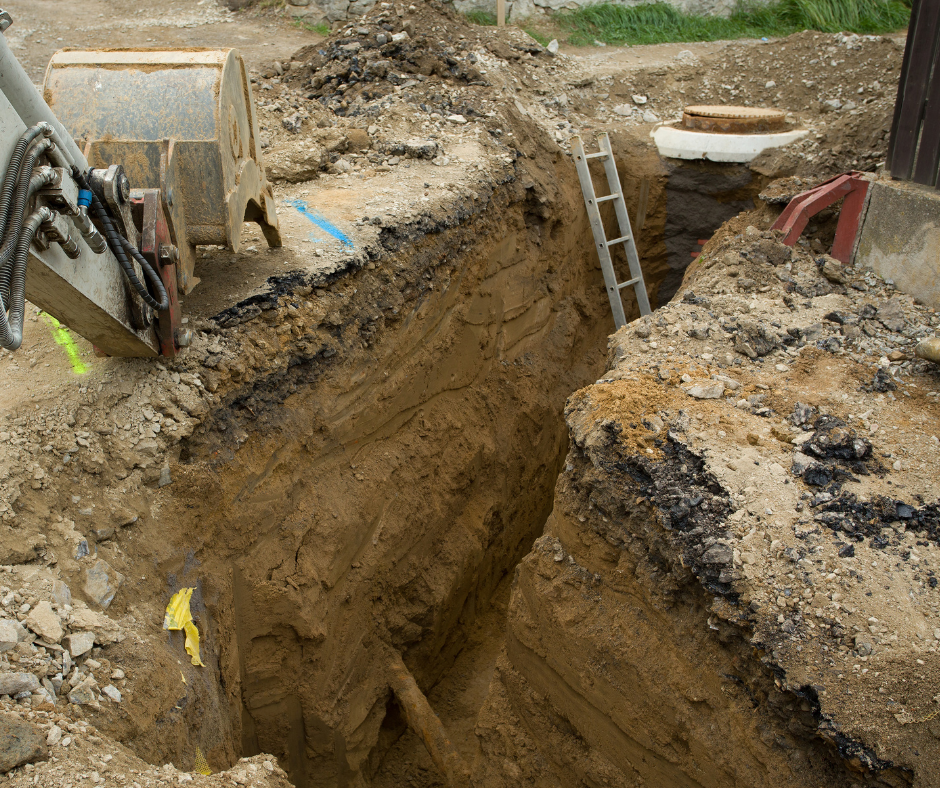
In the Northeast, weather is a powerful force that can make or break underground utility systems. From freezing winters to heavy rainfall and fluctuating temperatures, properties across Pennsylvania and New Jersey face unique challenges that can lead to costly utility damage if left unaddressed.
For businesses and property owners, understanding how weather impacts underground infrastructure is the first step toward protecting assets, avoiding downtime, and ensuring long-term reliability. At Delaware Valley Utility Contractors, we’ve seen firsthand how environmental conditions can accelerate wear—and how proactive solutions can make all the difference.
Freeze-Thaw Cycles: The Silent Disruptor
One of the biggest threats to underground utilities in the Northeast is the freeze-thaw cycle. During colder months, water in the soil freezes and expands. When temperatures rise, it thaws and contracts.
This constant movement puts stress on buried pipes, conduits, and utility lines, leading to:
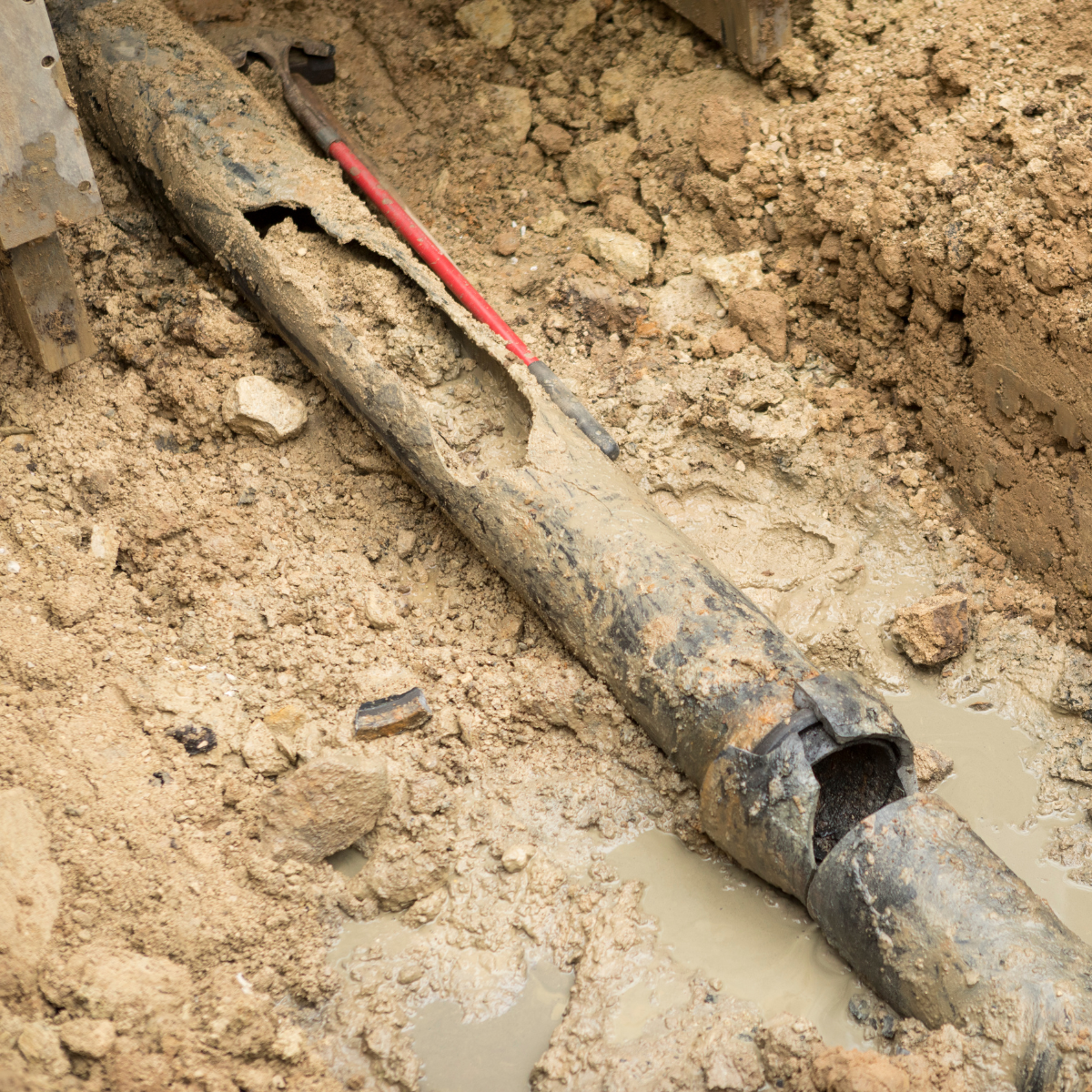
- Cracks and fractures in water and sewer lines
- Misaligned joints and connections
- Increased risk of leaks and system failure
Even minor damage can escalate quickly, especially when combined with other environmental factors.
Heavy Rainfall and Flooding: A Growing Concern
The Northeast has seen an increase in intense storms and rainfall events. When the ground becomes saturated, underground systems are put under pressure.
Excess water can:
- Infiltrate sewer systems, causing backups.
- Wash away supporting soil, leading to pipe instability.
- Accelerate corrosion in older infrastructure.
Flooding doesn’t just impact surface structures—it can compromise entire utility networks beneath your property.
Temperature Swings: Expansion, Contraction, and Wear
Rapid temperature changes, common in both spring and fall, cause materials like metal and plastic pipes to expand and contract.
Over time, this leads to:
- Material fatigue
- Joint separation
- Increased vulnerability to breaks
For aging systems, these fluctuations can be the tipping point between stable operation and sudden failure.
Soil Movement and Erosion
Weather patterns directly affect soil conditions. Prolonged rain, drought, or freeze-thaw cycles can shift the ground surrounding utility lines.
This movement can:
- Create voids or uneven support.
- Put stress on pipelines.
- Leads to sinkholes or surface depressions.
When the ground moves, your utilities move with it—and not always in ways they’re designed to handle.
Winter Conditions: Ice, Snow, and Hidden Risks
Snow and ice may seem harmless once cleared, but their impact runs deeper. Melting snow introduces excess moisture into the ground, while freezing conditions can make repairs more difficult and costly.
Additionally:
- Frozen ground can delay emergency repairs.
- Ice buildup can exacerbate existing vulnerabilities.
- Salt and deicing chemicals may contribute to corrosion.
The Cost of Waiting
Weather-related utility damage rarely fixes itself. What starts as a small crack or minor leak can quickly evolve into:
- Emergency shutdowns
- Property damage
- Regulatory compliance issues
- Expensive, large-scale repairs
The longer issues go unnoticed, the higher the cost—both financially and operationally.
Final Thoughts
Weather in the Northeast is unpredictable, but your utility performance doesn’t have to be. By understanding the risks and investing in preventative care, property owners can protect their infrastructure, reduce downtime, and avoid costly surprises.
Contact Delaware Valley Utility Contractors today to learn how we can keep your systems running strong—no matter what the weather brings.