The Top Five Trends in Utility Installation & Repair: What You Need to Know
Across the U.S, utility installation and repair are evolving fast. Aging infrastructure, increased development, and rising demand for reliable energy, water, and telecom systems are pushing contractors to work smarter, faster, and more sustainably.
If you’re a utility contractor, developer, or municipality, here are the top five trends shaping utility construction in 2026 and how they impact your next project.
1. Trenchless Technology Is Leading the Way
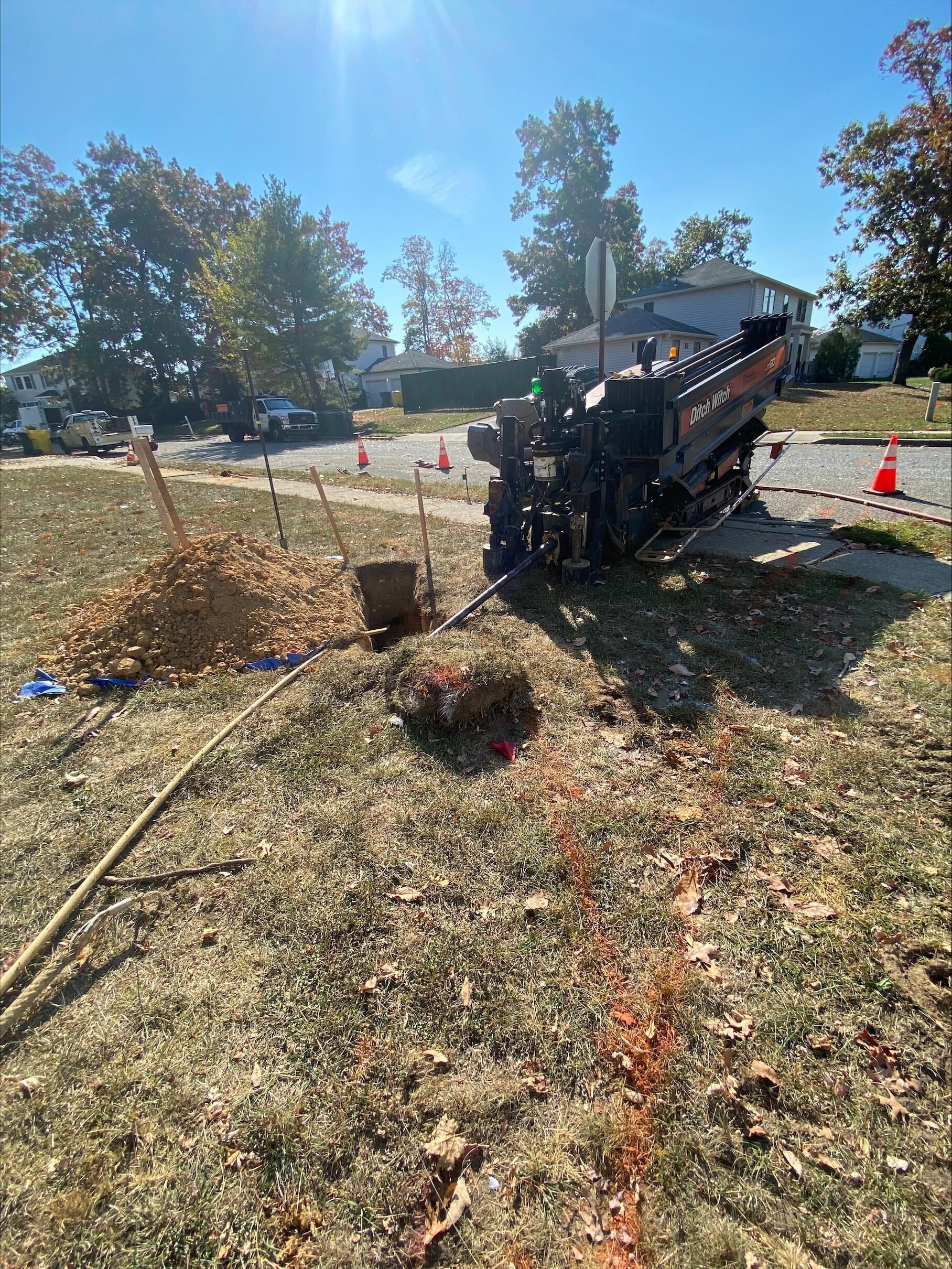
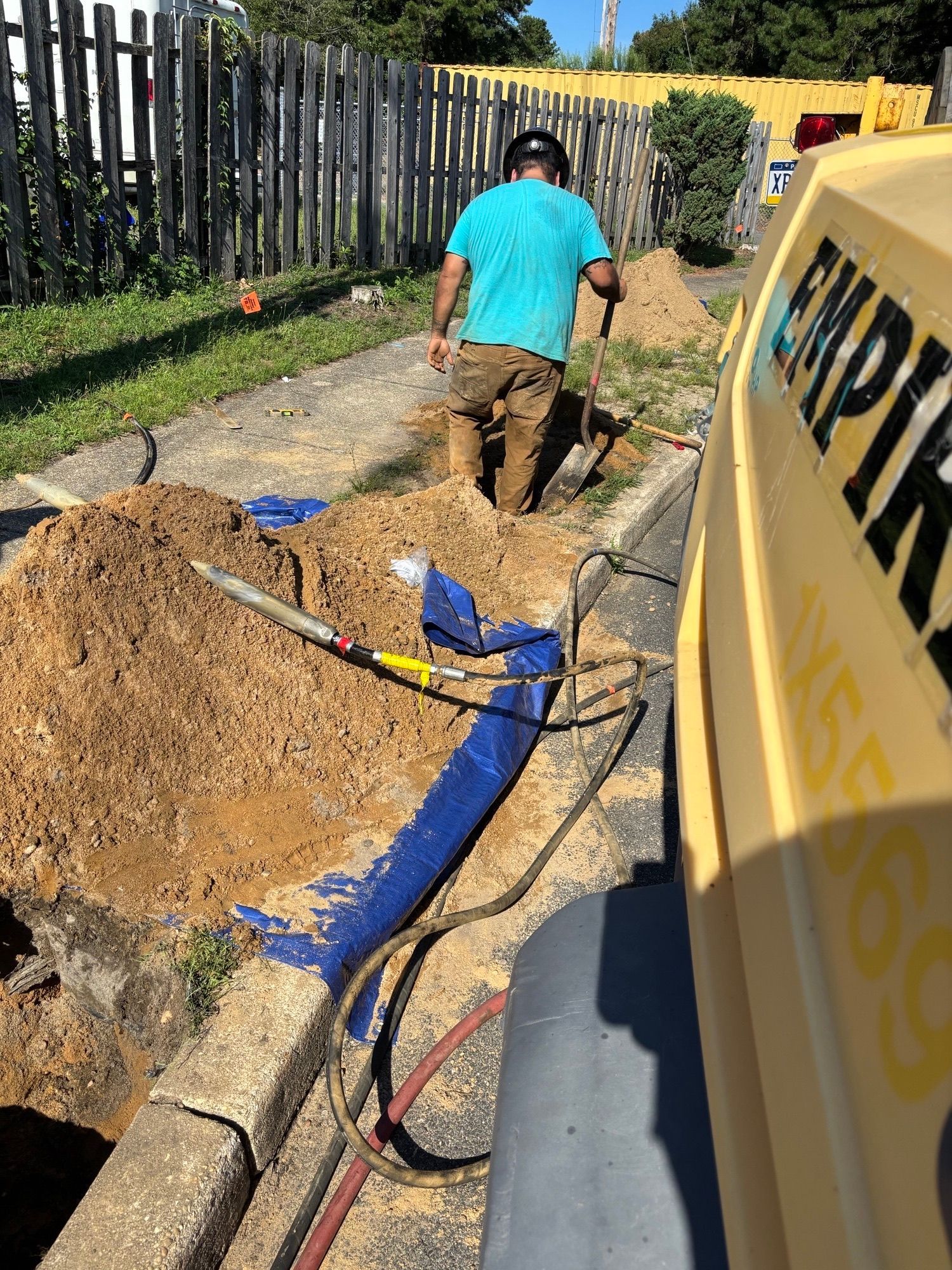
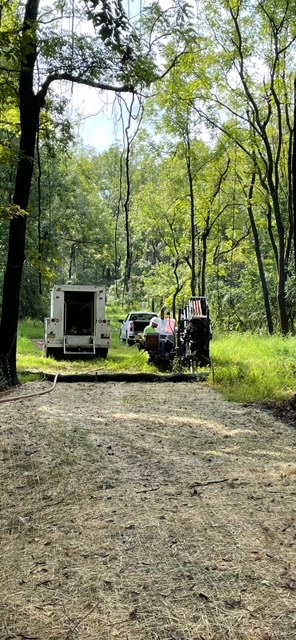
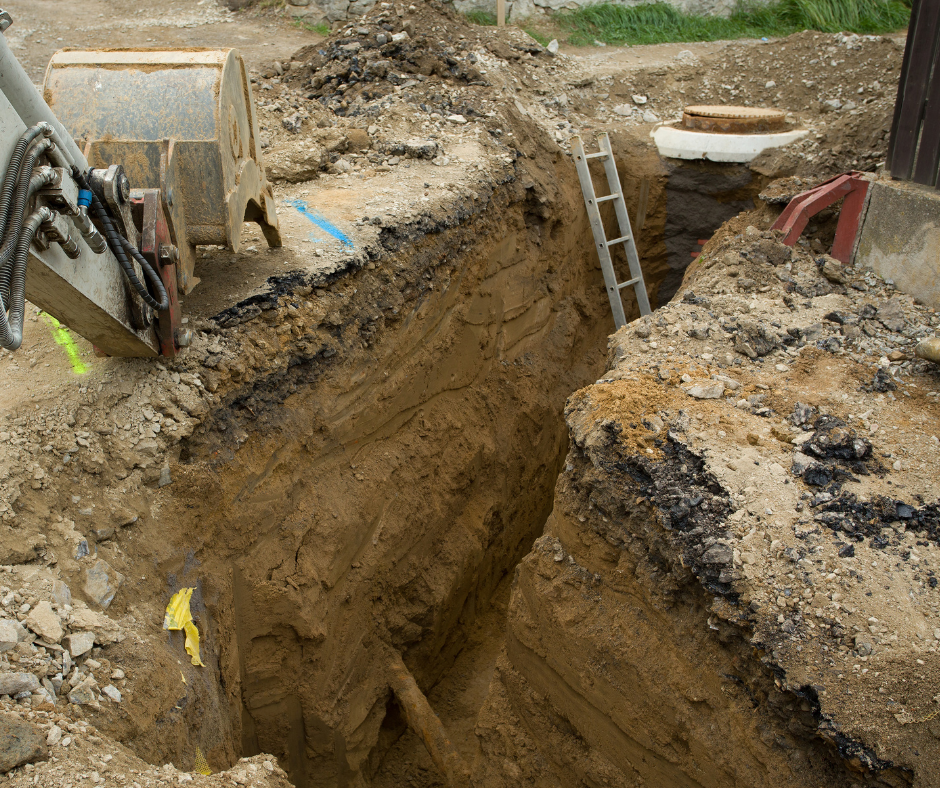
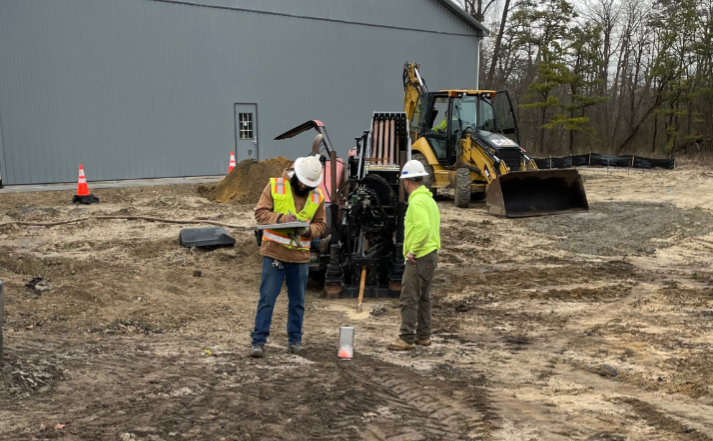
Modern utility projects are moving away from traditional excavation and toward trenchless solutions. Methods, such as horizontal directional drilling (HDD), pipe bursting, and cured-in-place pipe (CIPP), allow crews to install or repair underground utilities without tearing up roads, sidewalks, or landscaping. This is especially valuable in densely populated areas and surrounding suburbs, where minimizing disruption is critical. This means faster project timelines, lower restoration costs, and fewer disruptions.
2. Smart Utilities & Predictive Maintenance
Utility systems are becoming more intelligent—and more proactive. With the integration of sensors, IoT devices, and data analytics, general contractors and utility providers can now detect leaks, pressure changes, and system weaknesses before they turn into costly failures. With predictive maintenance, there are fewer emergency repairs, and the infrastructure lifespan is extended, resulting in high long-term costs.
3. Increased Underground Utility Projects
More infrastructure is being placed underground than ever before. Driven by extreme weather, concerns about grid reliability, and urban expansion, utility companies are prioritizing the installation of underground electric, gas, and telecom systems. This trend is particularly prevalent in the Northeast, where storms and aging overhead power lines pose ongoing risks. Utility contractors specializing in underground installation will experience increased demand and longer-term project pipelines.
4. Advanced Materials for Longer-Lasting Systems
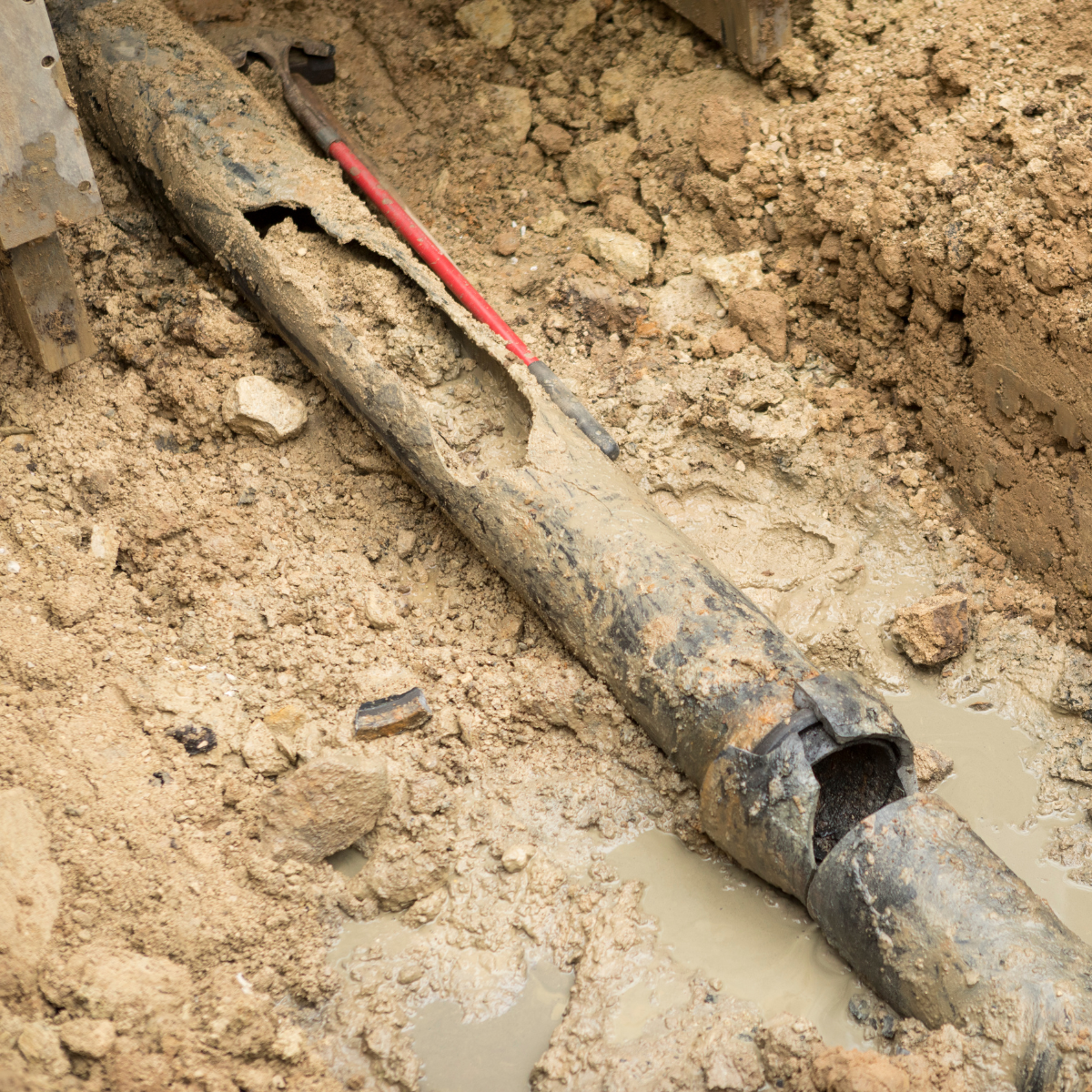
Today’s utility systems are lasting longer and performing better. New materials, such as high-density polyethylene (HDPE) pipes, corrosion-resistant conduits, and flexible composite systems, are improving durability while reducing installation time. Better materials mean fewer repairs, lower lifecycle costs, and improved client satisfaction.
5. Sustainability Is Now a Requirement
Eco-friendly construction is no longer optional—it’s expected. Utility projects are now designed to minimize environmental impact through reduced excavation, lower emissions, and responsible material usage. Trenchless methods play a major role in meeting these goals. Municipalities and developers are increasingly favoring contractors who can meet sustainability standards and environmental regulations.
Final Thoughts
Utility installation and repair in 2026 are defined by innovation, efficiency, and sustainability. Utility contractors who embrace trenchless technology, smart systems, and advanced materials are better positioned to meet growing demand, especially in competitive markets like Pennsylvania and New Jersey.
For Delaware Valley Utility Contractors, embracing these trends isn’t just an opportunity; it’s a strategic advantage in a highly competitive and rapidly growing market. Contact us today to learn how we can make your utility project run smoothly.