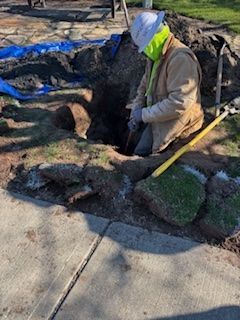
The Dangers of Digging: Why National Safe Digging Month Matters
April is known for events like Easter and Earth Day, but it’s also National Safe Digging Month—a time to focus on the critical importance of preventing accidents and protecting people and essential services.
Why Safe Digging Matters
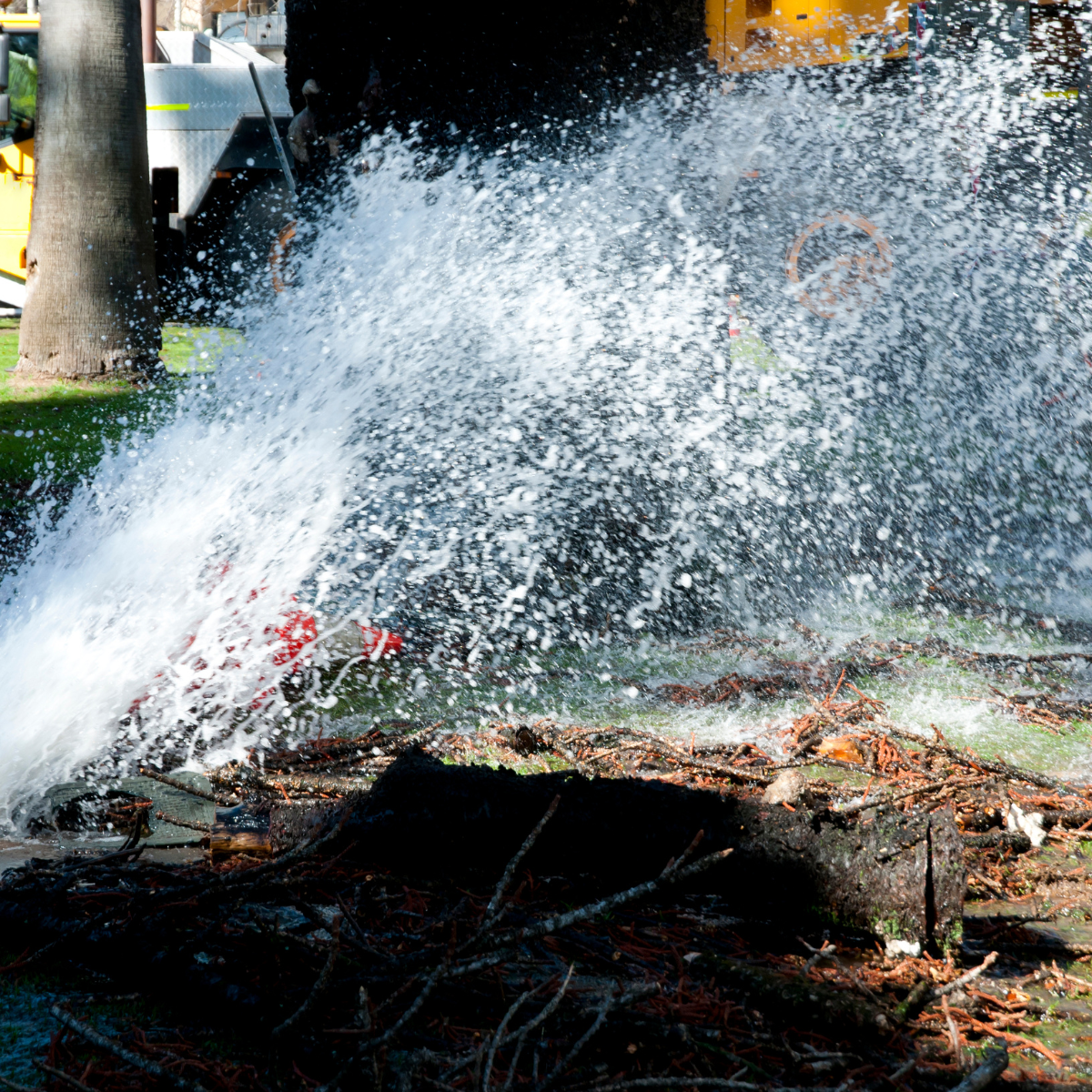
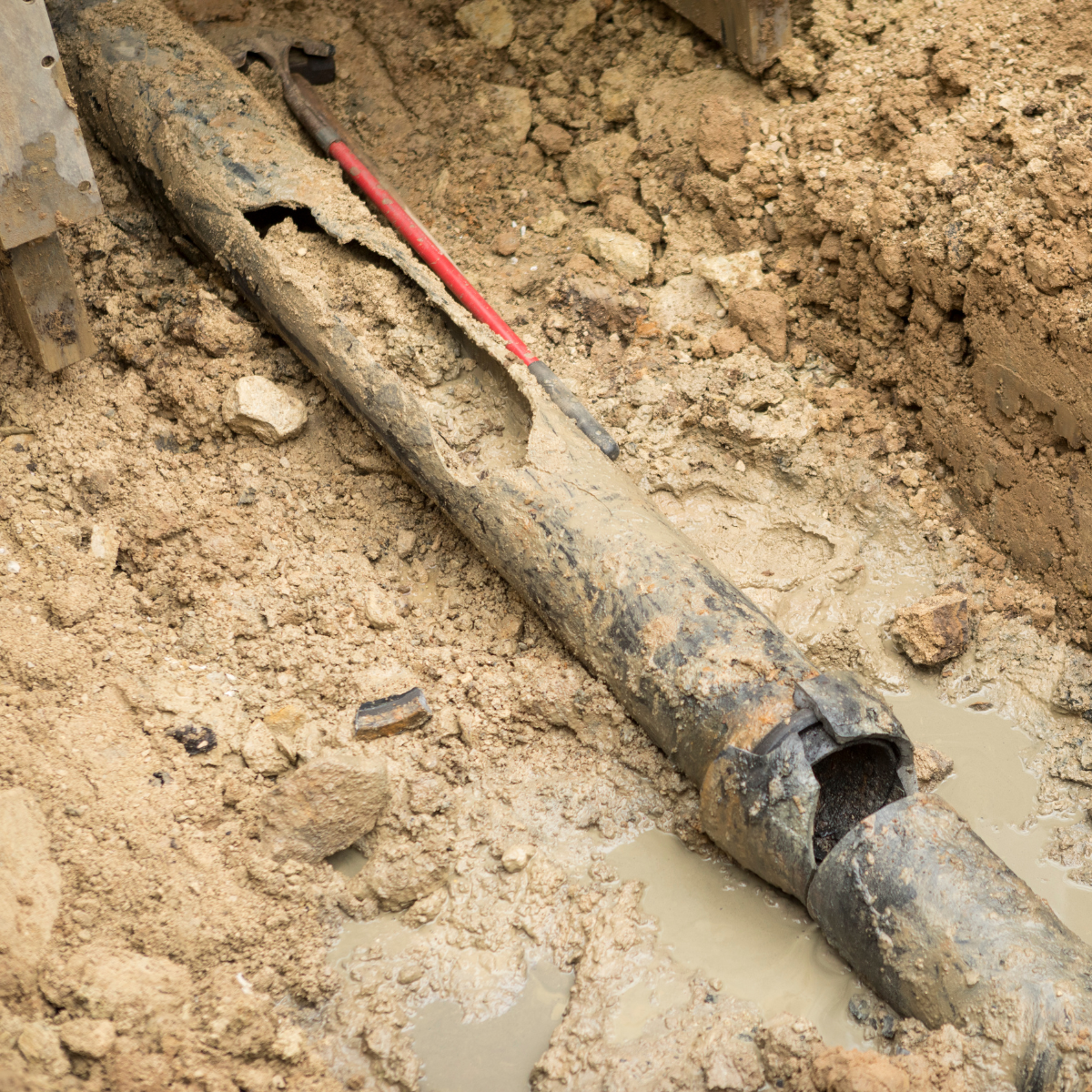
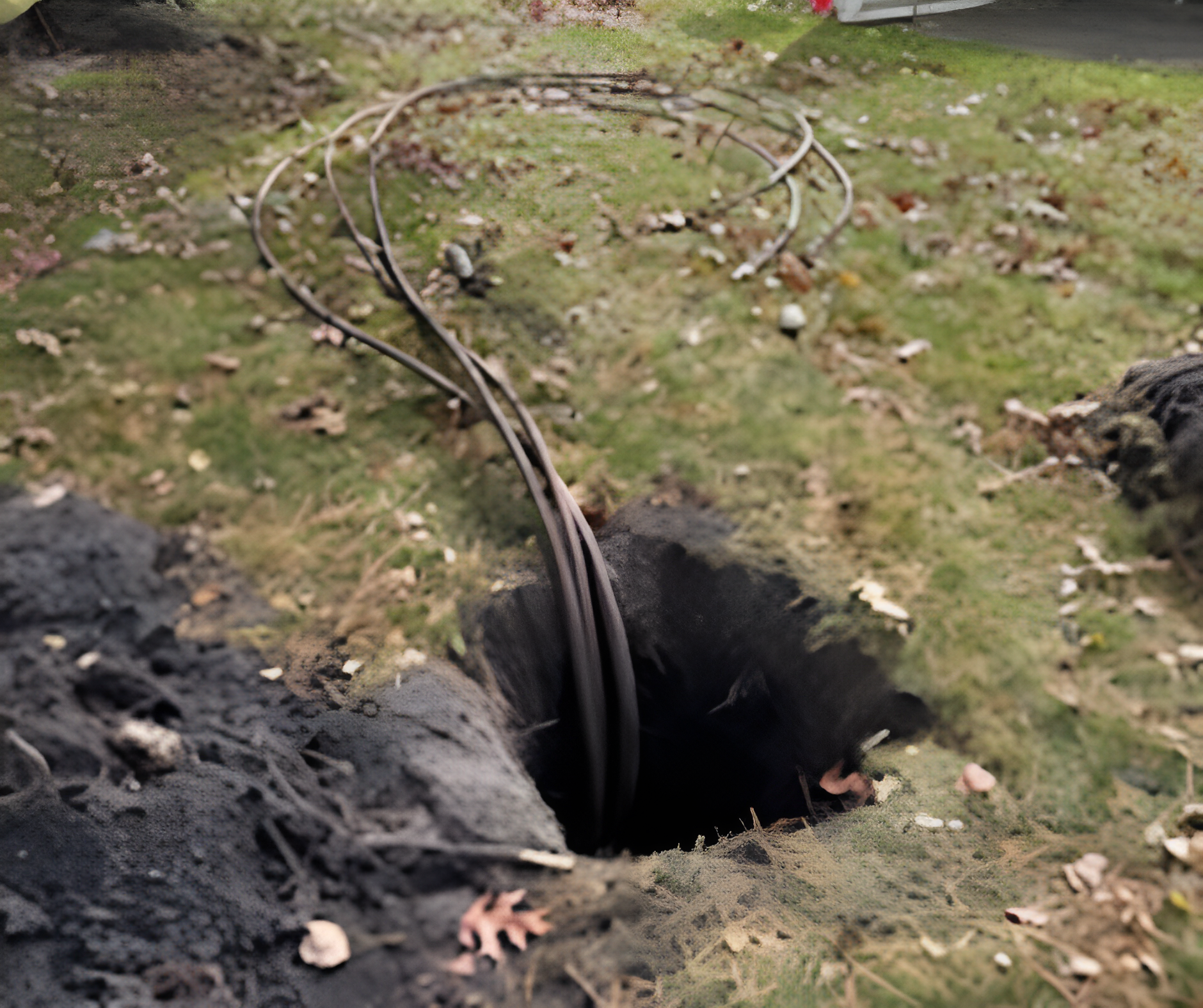
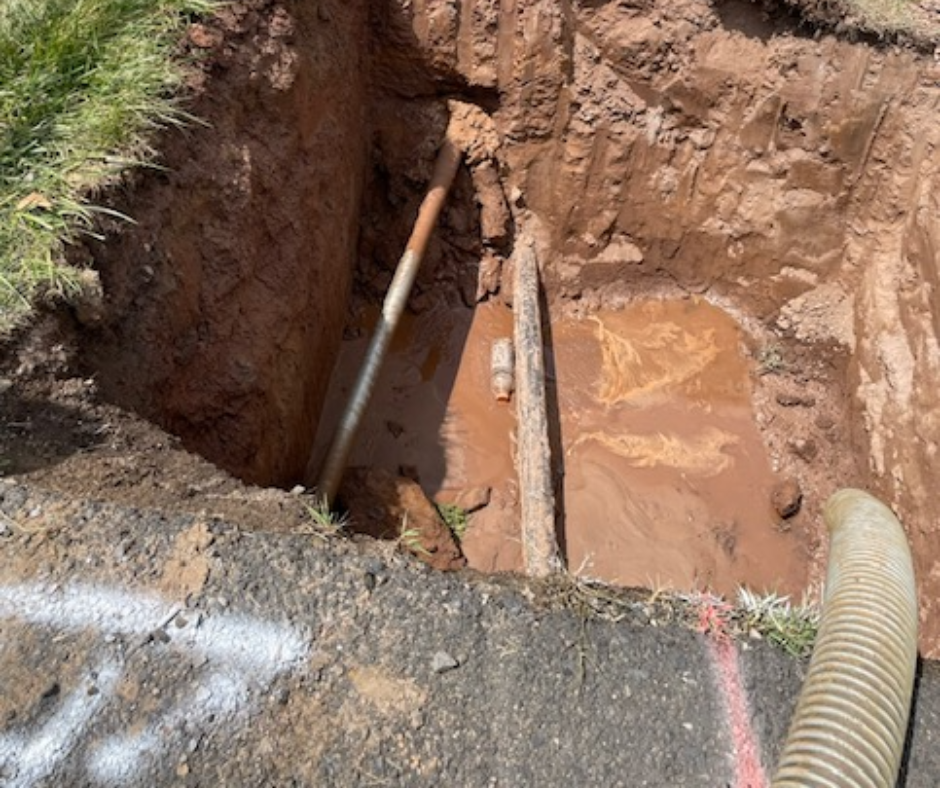
Digging sits at the heart of many projects. Yet, just below every job lies a vast, unseen web of underground utilities—gas, water, electric, and data lines. In fact, there are over 20 million miles of underground utilities in the United States. Every dig carries real risk for these systems.
When proper protocols aren’t followed, the consequences can be severe:
- Service disruptions to homes and businesses
- Costly repairs and project delays
- Environmental damage
- Serious injuries—or worse
Even a small digging project can lead to major problems if underground utilities are accidentally struck.
What Lies Beneath: Hidden Risks
Many people assume they know what’s beneath their property, but underground infrastructure is often deeper, closer, or more complex than expected. Over time, utility lines can shift, maps may become outdated, and new lines may be installed without obvious surface indicators. That’s why guessing is never worth the risk of damaging infrastructure, causing injuries, or disrupting service to homeowners.
Best Practices for Safe Digging
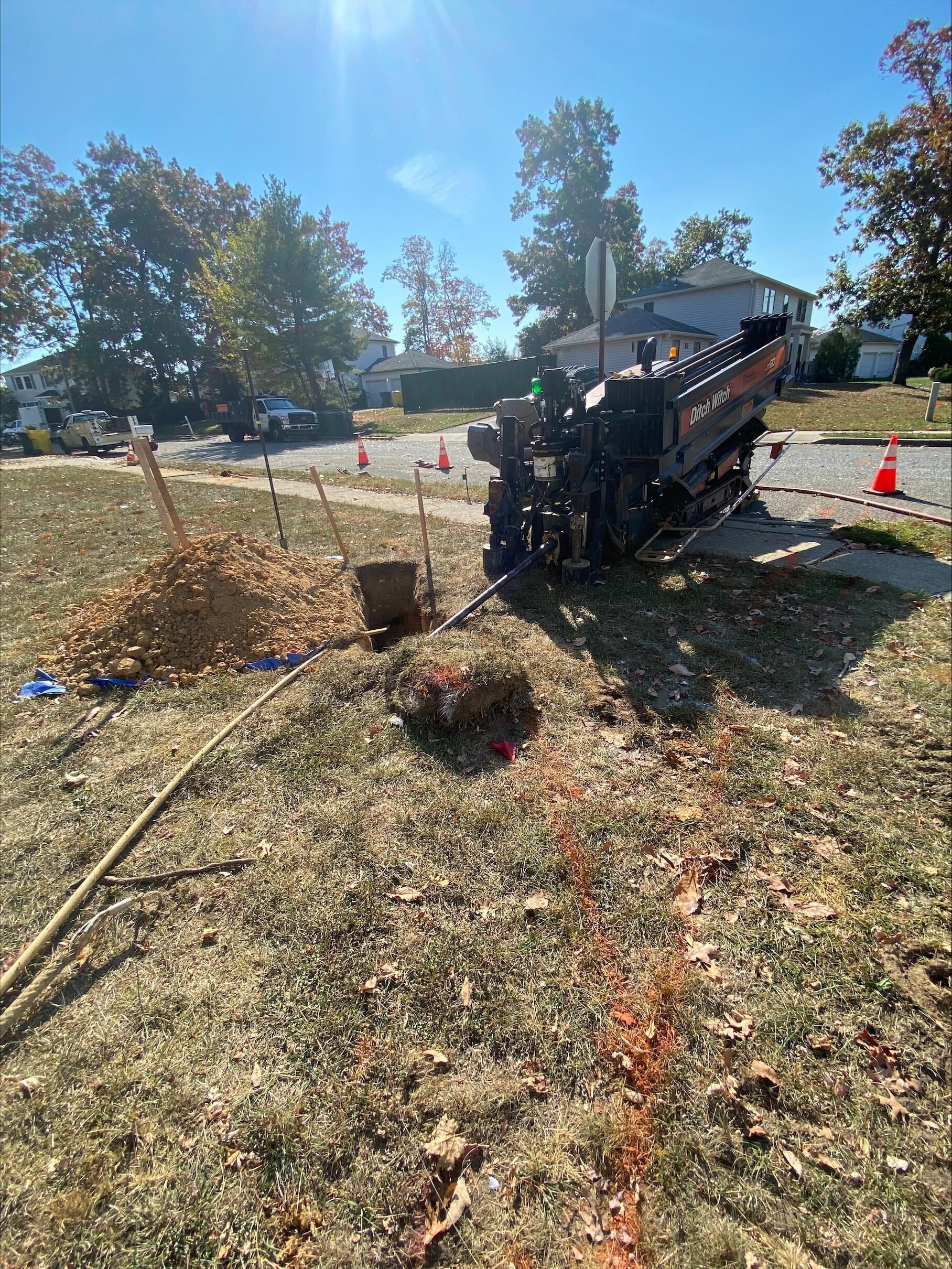
National Safe Digging Month serves as a reminder that safety starts before the first shovel (or excavator) hits the ground. Whether you’re a contractor or a homeowner, following these key steps can make all the difference:
1. Call Before You Dig
In the U.S., dialing 811 connects you to professionals who will mark underground utilities on your property. This free service identifies the location of buried lines before you begin digging, helping you avoid accidental damage to critical infrastructure, fines, or injuries. It’s not just a recommendation—it’s a vital safety step. It’s also required by law.
2. Respect Markings
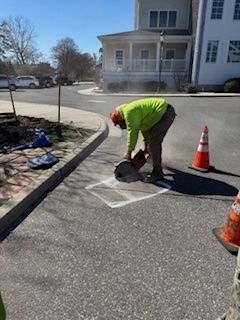
Once utilities are marked, take time to understand the color codes and avoid digging near those areas without proper precautions.
3. Use the Right Equipment
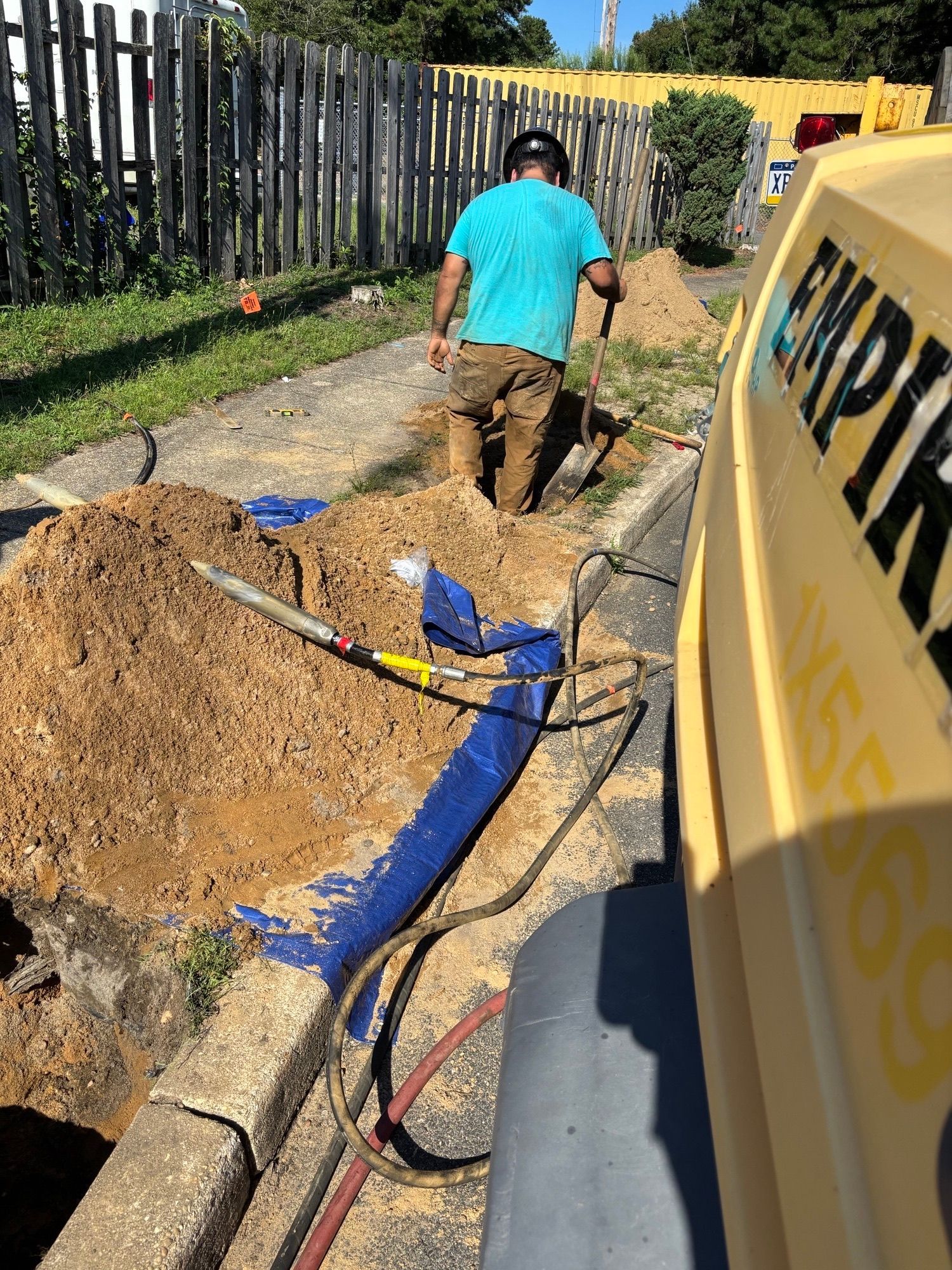
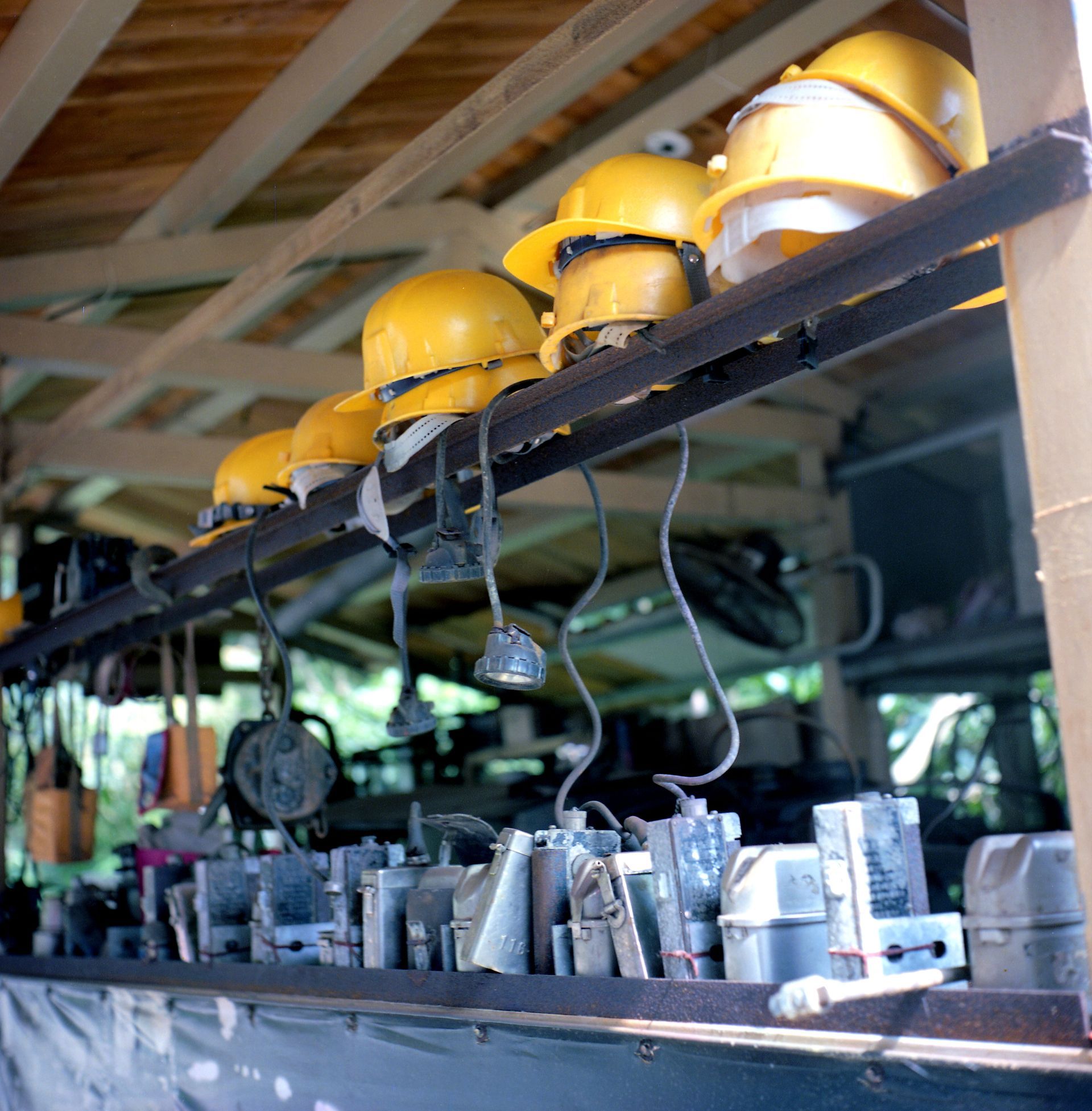
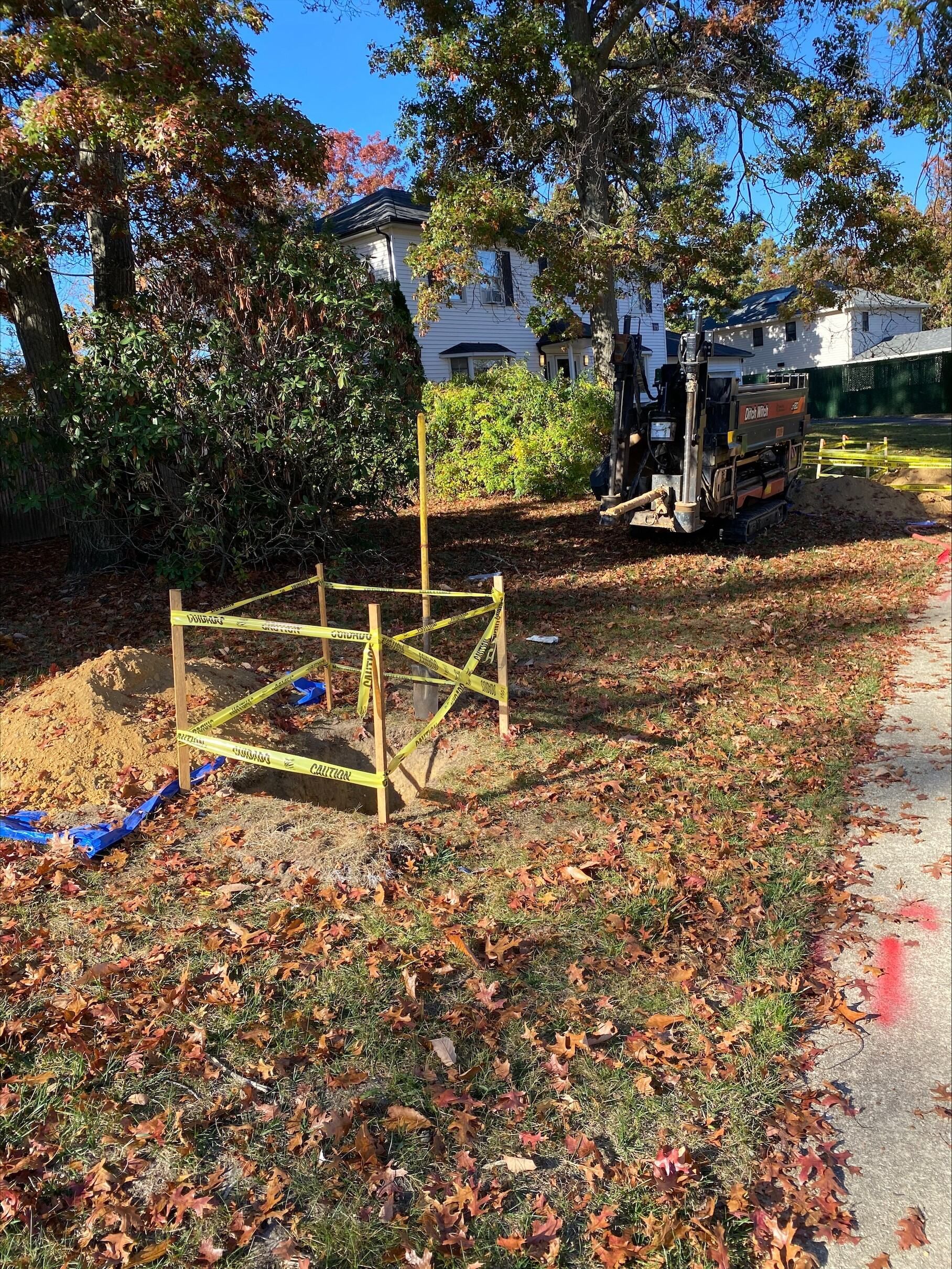
When working near marked utilities, use hand tools or vacuum excavation methods to minimize risk. Always wear the proper personal protective equipment (PPE) and avoid loose-fitting clothing or any items that could create a hazard (e.g., hanging shoelaces).
4. Stay Alert
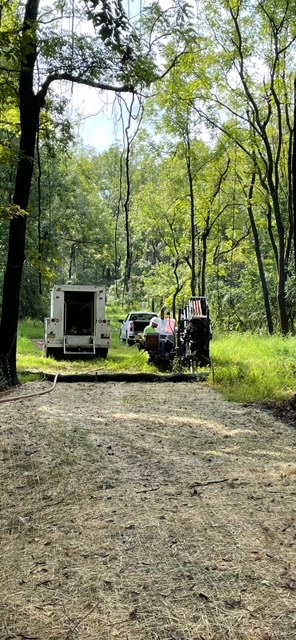
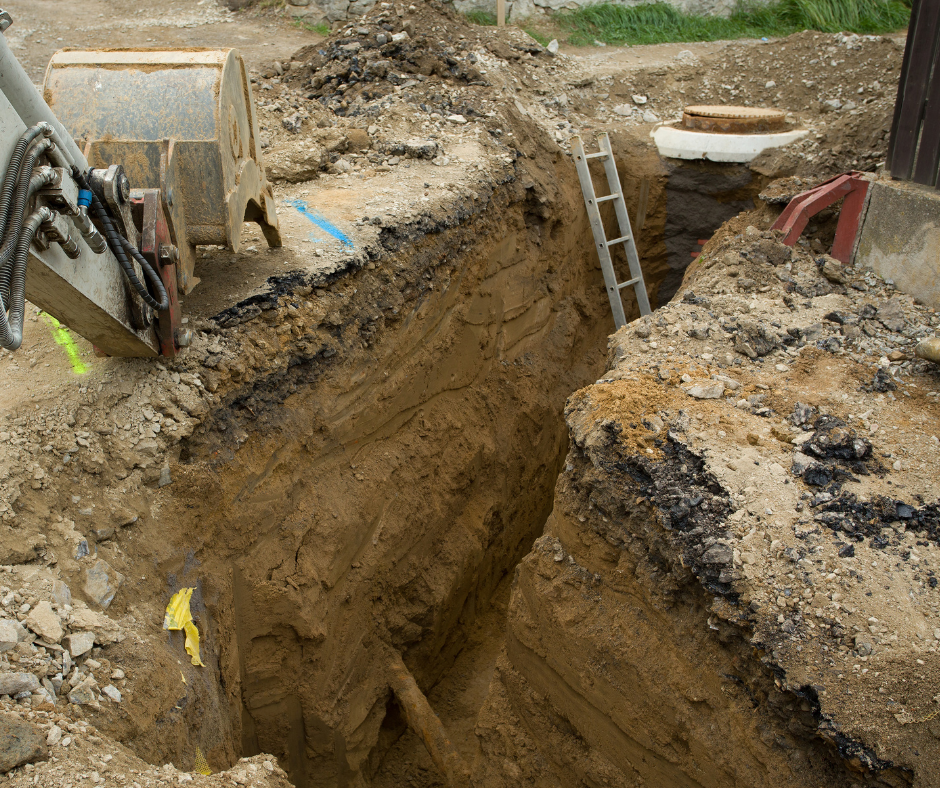
Job site conditions can change quickly. Remain aware of your surroundings and always follow established safety protocols. Trench collapses, falling loads, hazardous atmospheres, and contact with overhead lines are real risks that should never be overlooked.
A Shared Responsibility
Safe digging isn’t just the responsibility of contractors; it’s a shared effort among homeowners, businesses, and utility professionals. Each precaution taken helps prevent accidents, protect infrastructure, and keep projects running smoothly.
Dig Smart This April—and All Year Long
As we observe National Safe Digging Month this April, it’s important to take the time to ensure your projects are set up for success by following proper safety practices. From calling 811 to following safety protocols, everyone will go home safe, and property and infrastructure will be protected.
At Delaware Valley Utility Contractors (DVUC), safety starts before any equipment is unloaded. Our team calls 811 on every project and stays trained in the latest industry safety standards—so you can move forward with confidence. When you partner with experienced professionals, your utility project gets done safely, efficiently, and without costly setbacks.
Don’t leave safety to chance—call DVUC today or request a quote online now to schedule your project and experience the difference firsthand.