Horizontal Directional Drilling vs. Boring: Do You Know the Key Dffierences?

Modern infrastructure projects increasingly rely on trenchless technology to install underground utilities with minimal disruption to the surrounding environment. Two of the most used trenchless methods are Horizontal Directional Drilling (HDD) and boring (or auger boring).
Both techniques allow contractors to install pipelines, conduits, and cables underground without extensive trenching. However, they serve different purposes depending on project distance, complexity, and site conditions.
If you're planning a utility installation or infrastructure upgrade, understanding the differences between horizontal directional drilling and boring can help you select the most efficient and cost-effective solution.
What Is Horizontal Directional Drilling?
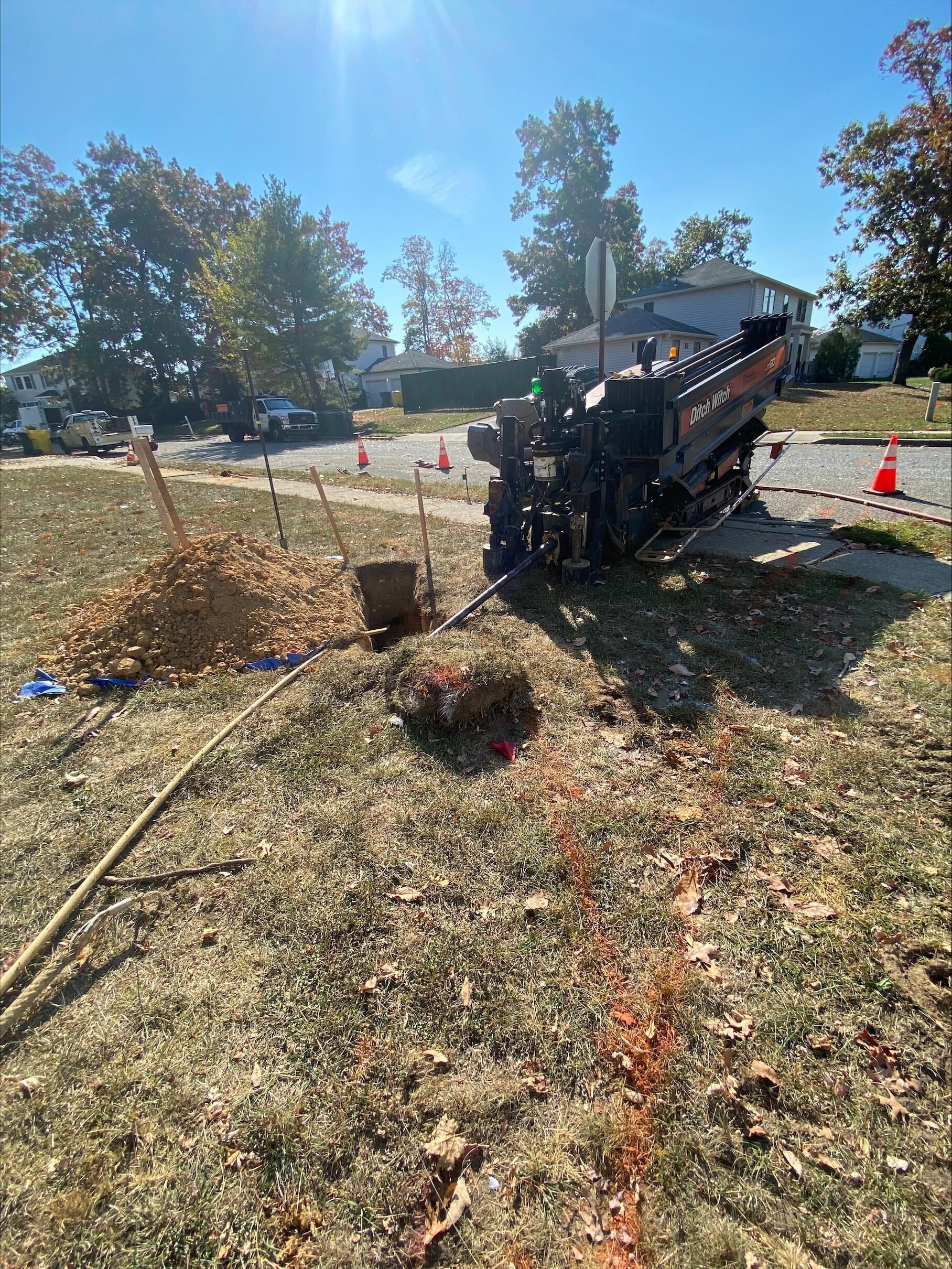
Horizontal Directional Drilling (HDD) is a trenchless method used to install underground utilities along a controlled, steerable path. It is commonly used when pipelines or conduits must pass beneath obstacles such as highways, rivers, railroads, or buildings.
The process begins by drilling a small pilot hole along a planned route. Using specialized tracking systems, operators can guide the drill head and adjust its direction underground. Once the pilot hole is complete, the hole is gradually widened, and the pipeline or conduit is pulled back through the drilled path.
Because HDD allows operators to steer the drill head, it offers exceptional precision and flexibility, making it possible to navigate around underground obstacles and follow curved paths.
Horizontal directional drilling is commonly used for:
- Fiber optic and telecommunications lines
- Water and sewer pipelines
- Gas and oil pipelines
- Utility installations beneath rivers or highways
- Urban infrastructure projects
For projects requiring longer distances and minimal surface disruption, HDD is often the preferred method.
What Is Boring?
Boring is another trenchless technique used to install pipelines and utilities underground. Unlike HDD, boring typically creates straight-line tunnels between two points.
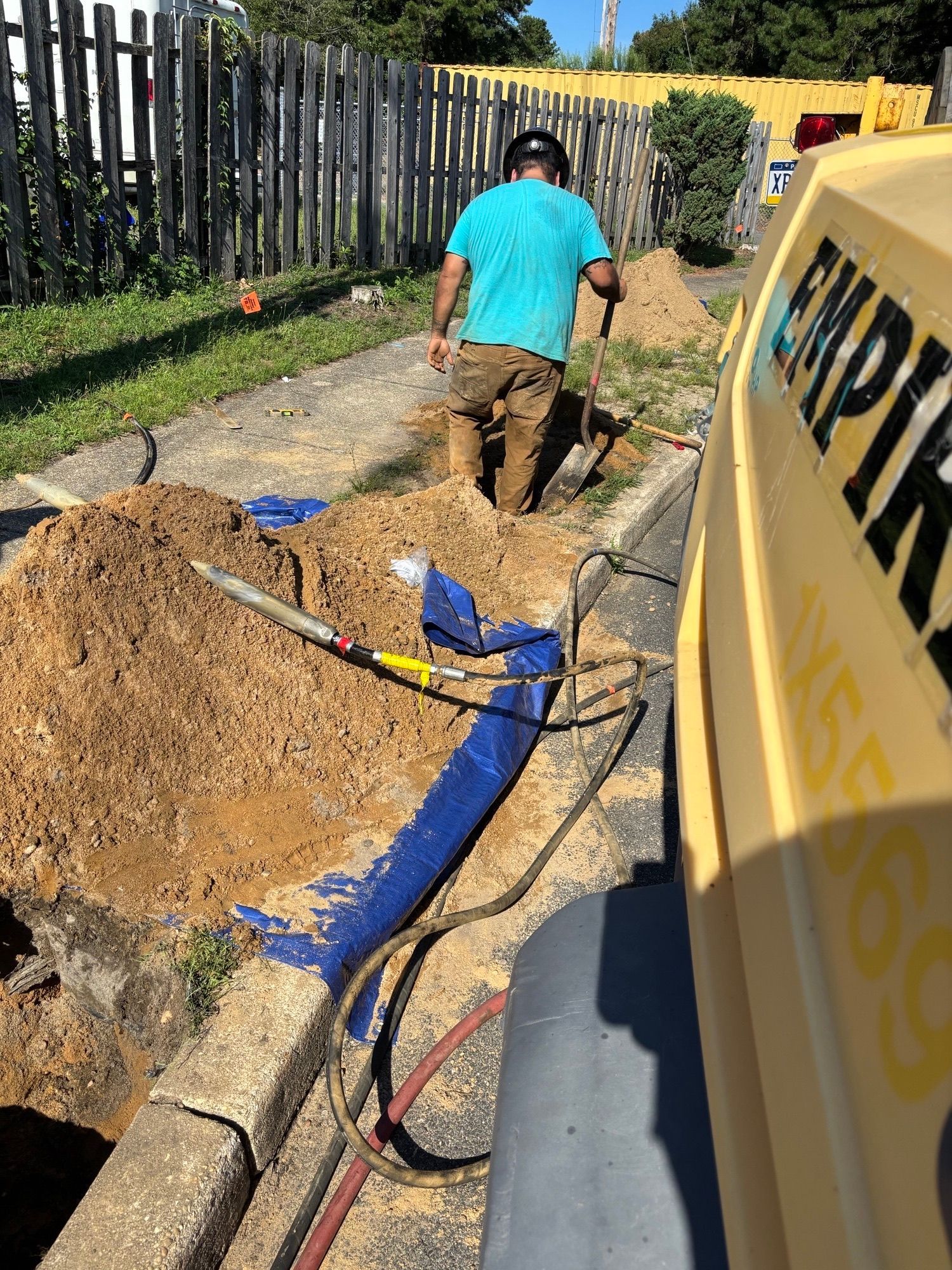
The process begins with a launch pit where the boring equipment is installed. A rotating cutting head drills through the soil while augers remove excavated material. As drilling progresses, pipe sections are pushed forward behind the cutting head until the installation is complete.
Because boring follows a fixed path and cannot easily change direction, it works best for short, straight crossings.
Boring is commonly used for:
- Road and highway crossings
- Railway crossings
- Stormwater drainage installations
- Sewer line construction
- Utility conduit installation beneath streets
While boring equipment is generally simpler than HDD systems, it is highly effective for projects with straightforward drilling requirements.
Key Differences Between Horizontal Directional Drilling and Boring
Although both methods are considered trenchless construction, they differ in several important ways.
The biggest difference is steering capability. Horizontal directional drilling uses advanced tracking technology that allows operators to guide the drill head and adjust its direction underground. This makes HDD ideal for curved routes and projects that must avoid existing infrastructure.
Boring, by contrast, follows a fixed straight path once drilling begins. Because it cannot easily change direction, it is typically limited to simpler installations.
Distance is another key factor. HDD can drill hundreds or even thousands of feet, making it suitable for long utility installations. Boring is usually used for shorter crossings.
Surface disruption also varies. HDD typically requires only small entry and exit points, which minimizes ground disturbance and can speed up project timelines. Boring often requires a launch pit and sometimes a receiving pit, which may involve additional site preparation.
Environmental and Project Efficiency Benefits
Both horizontal directional drilling and boring provide major advantages compared to traditional trench excavation.
By eliminating the need for large open trenches, these methods help protect roadways, landscaping, and existing infrastructure. They also reduce the amount of restoration required after installation.
Instead of repairing long stretches of pavement or landscaping, contractors only need to restore small entry and exit areas. For communities and municipalities, this results in less traffic disruption, reduced environmental impact, and faster project completion.
Final Thoughts
Horizontal directional drilling and boring both play important roles in modern underground utility construction. While boring is ideal for short, straight crossings, horizontal directional drilling offers greater flexibility, precision, and capability for complex infrastructure projects.
As underground utility networks continue to expand, trenchless technologies like HDD are becoming essential for installing infrastructure efficiently while minimizing disruption to communities and the environment.
Ready to Start Your Next Underground Utility Project?
Choosing the right trenchless method can significantly impact your project's cost, efficiency, and long-term performance.
If you're planning a pipeline, fiber optic, or utility installation, working with experienced drilling professionals ensures the job is completed safely and efficiently.
At DVUC, our team has the experience and equipment to deliver both horizontal directional drilling and boring solutions. We evaluate site conditions carefully and recommend the most efficient and cost-effective approach for every project.
Contact our team today to learn how HDD or boring can support your next underground utility project.