May is National Electrical Safety Month: Protecting Utility Repair Workers
Every May, National Electrical Safety Month serves as an important reminder of the dangers of electrical work and the critical importance of safety awareness across all industries. For utility repair workers, electrical safety is not just a seasonal topic—it is part of daily life on every project site, during every emergency response call, and in every infrastructure repair operation.
At Delaware Valley Utility Contractors, safety remains a top priority for our crews working to maintain and restore essential utility systems throughout Pennsylvania and New Jersey. From underground utility repairs to emergency storm restoration, utility professionals face challenging conditions that demand constant awareness, advanced training, and strict adherence to electrical safety procedures.
As National Electrical Safety Month highlights the importance of prevention and education, it also shines a spotlight on the skilled utility workers who help keep communities powered, connected, and safe year-round.
Why Electrical Safety Month Matters
National Electrical Safety Month was created to raise awareness about electrical hazards and promote safe practices both at home and in the workplace. For the utility construction and repair industry, the message is especially important.
Utility workers routinely operate around:
- Energized electrical systems
- Underground utility lines
- Overhead power lines
- Damaged infrastructure
- Wet and hazardous environments
- Heavy equipment operating near electrical sources
Even experienced crews face significant risks if safety procedures are not followed carefully. Electrical accidents can result in serious injuries, equipment damage, service interruptions, and even fatalities. National Electrical Safety Month encourages companies, workers, and communities to stay proactive to prevent these incidents.
The Unique Risks Utility Repair Workers Face
Utility repair work is one of the most demanding sectors within the construction and infrastructure industry. Crews often work under pressure to restore critical services quickly while navigating unpredictable and potentially dangerous job site conditions.
Underground Utility Strikes
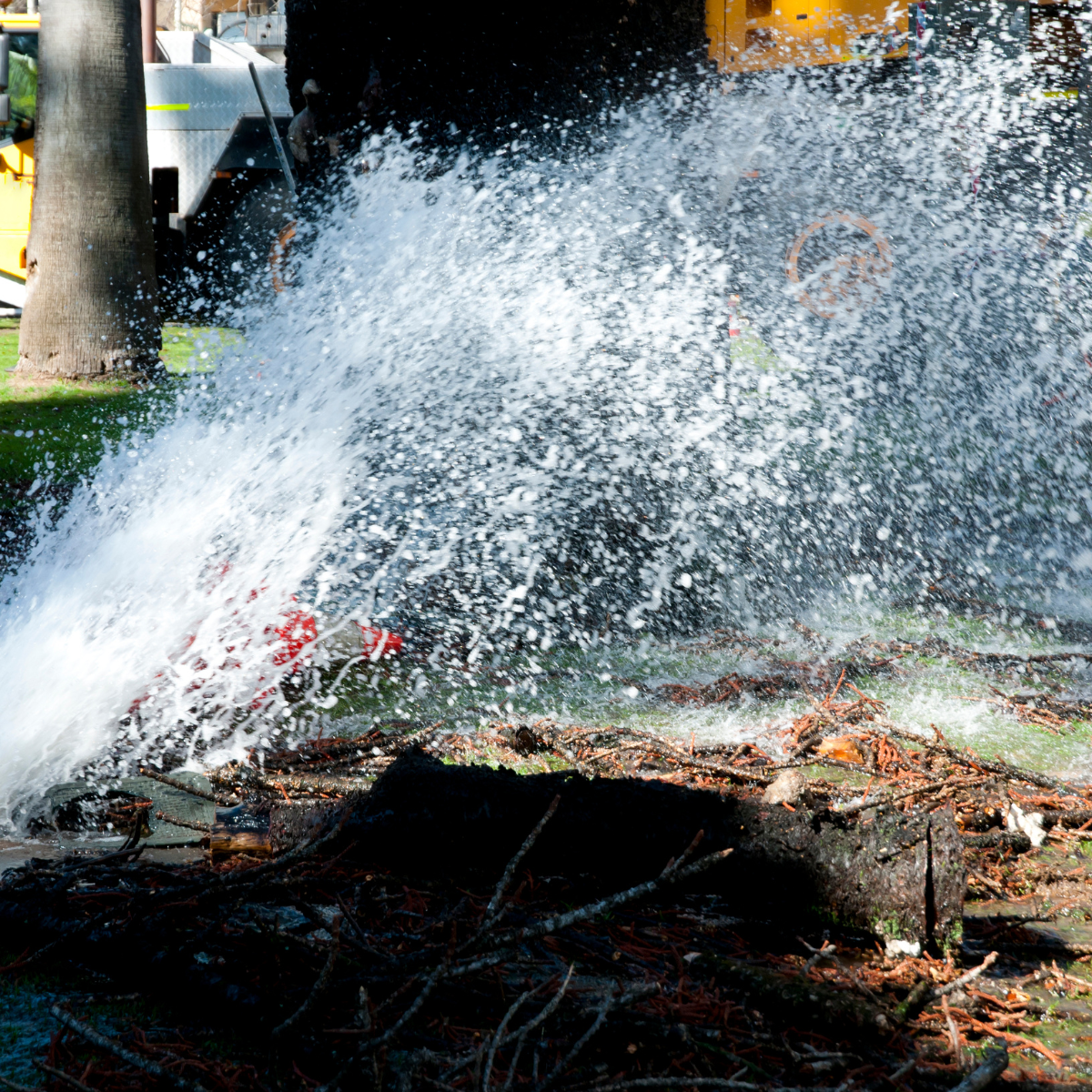
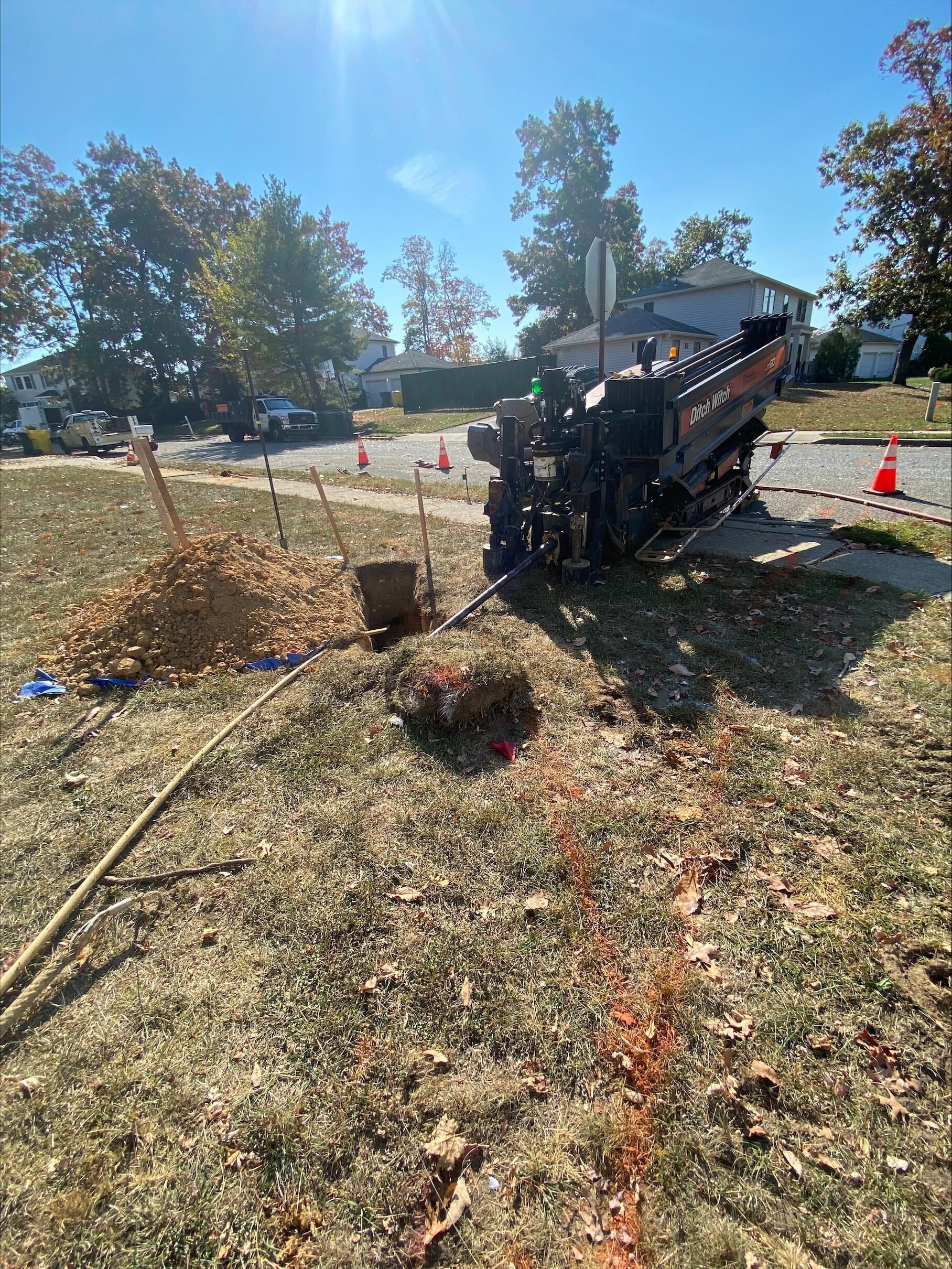
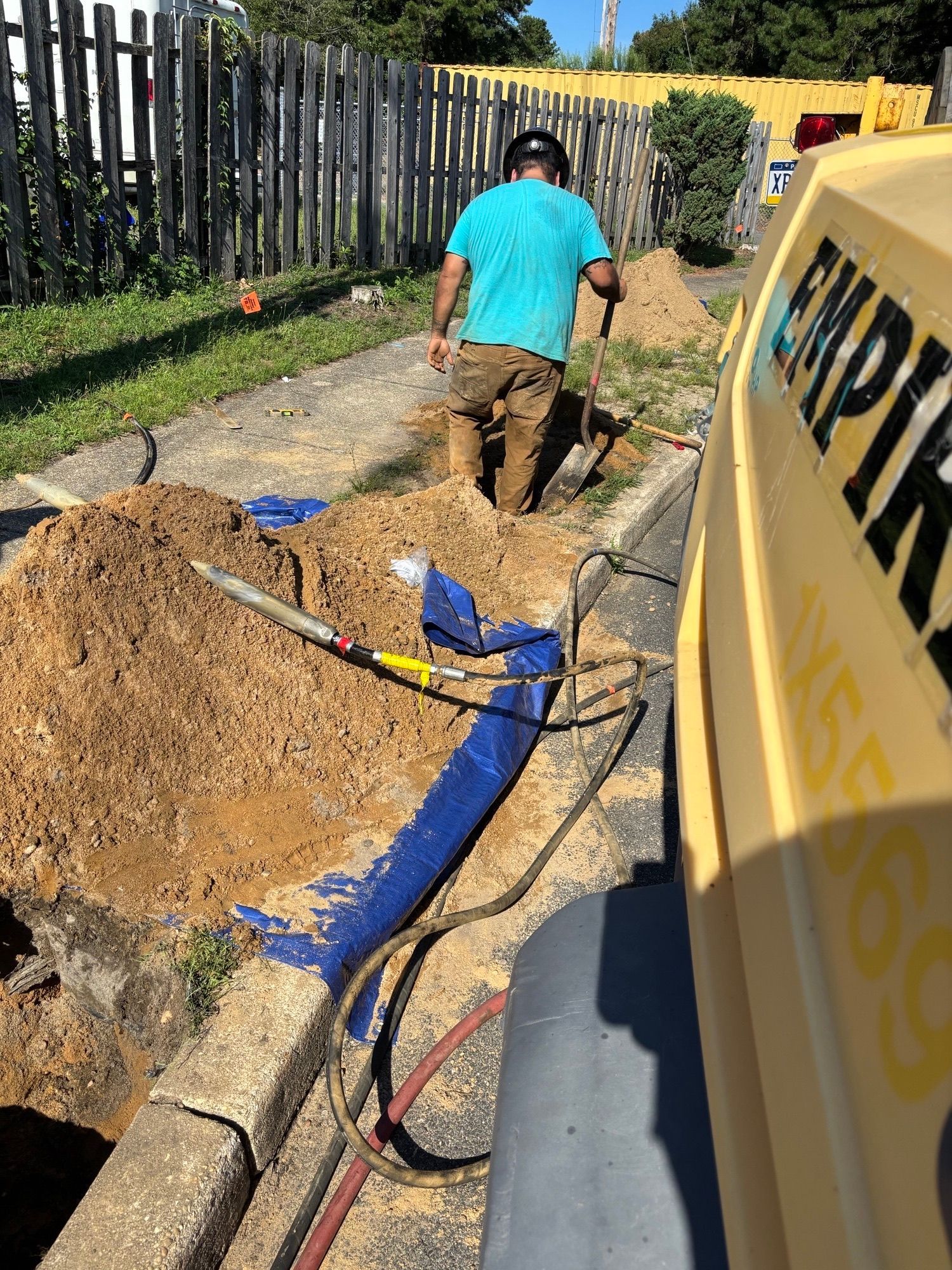
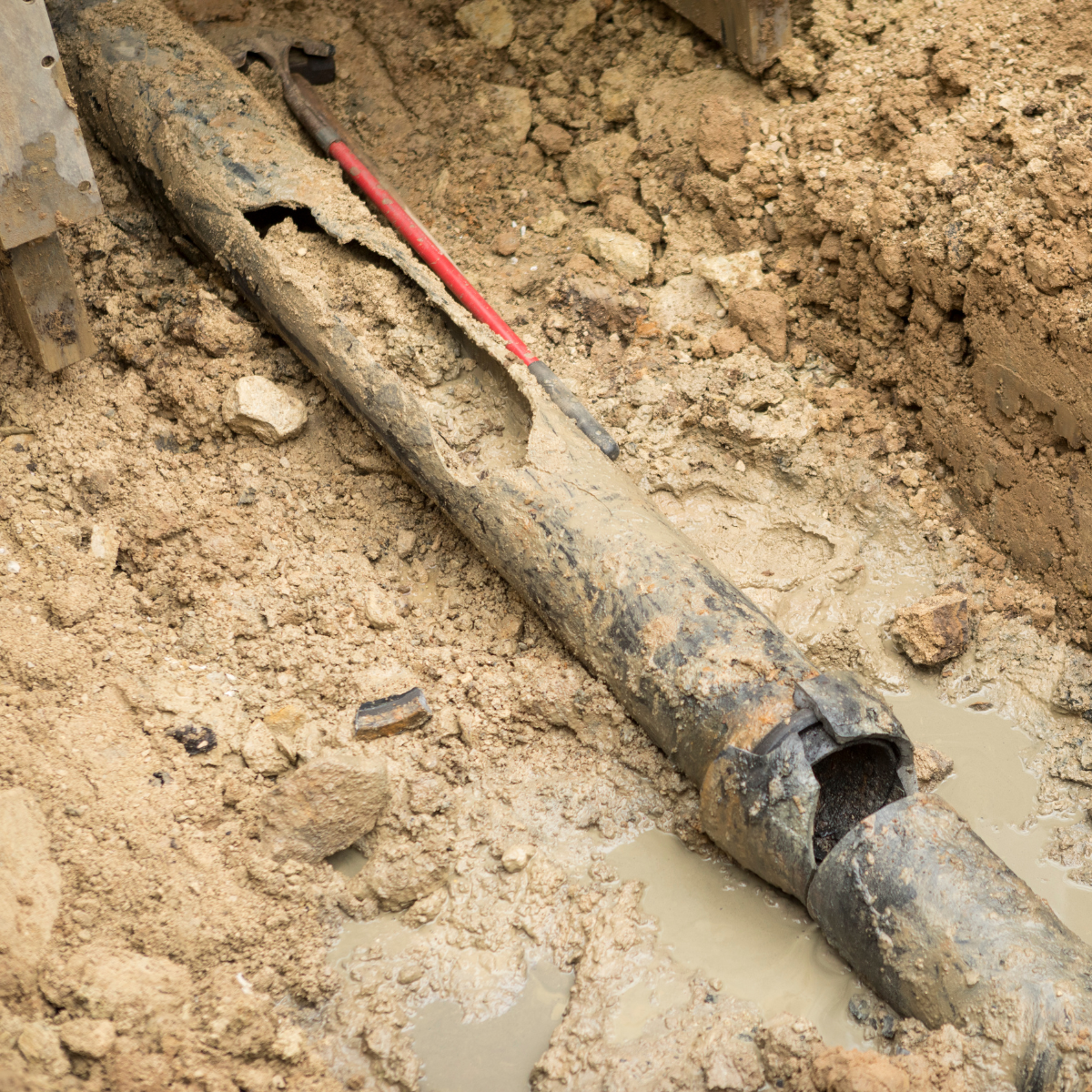
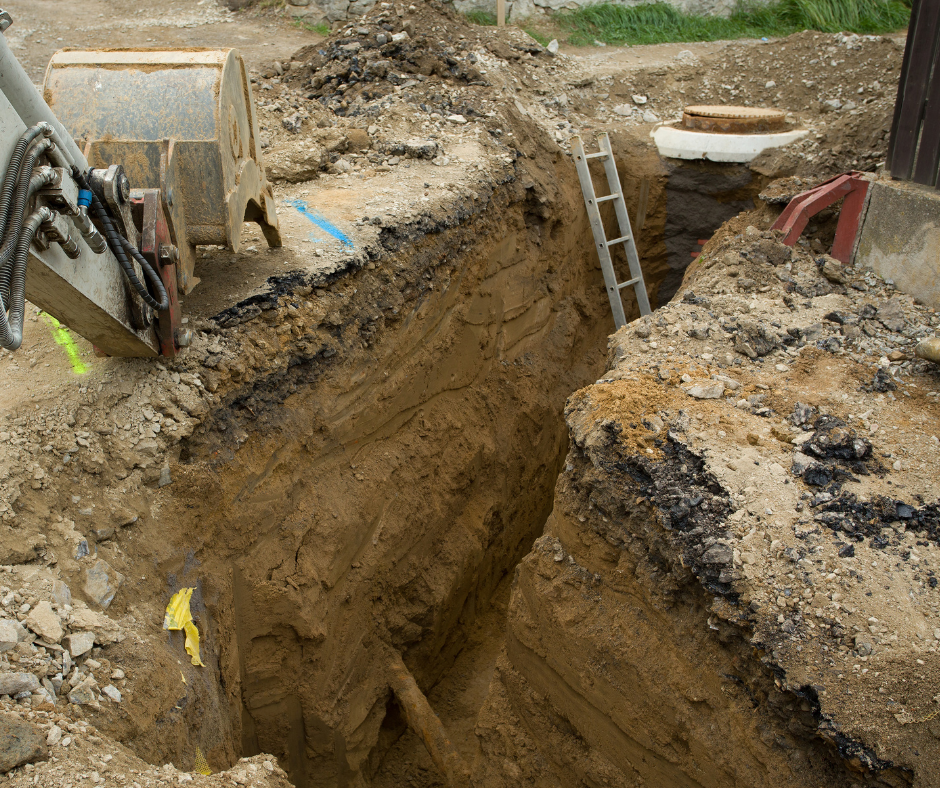
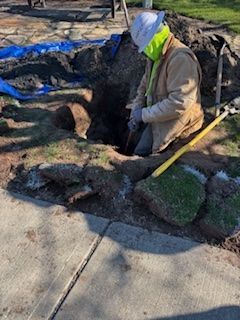
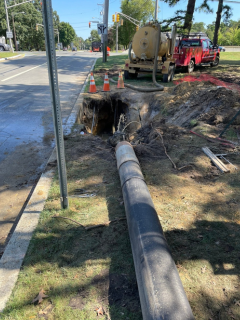
Underground electrical lines pose a major safety challenge. During excavation projects, striking buried utilities can lead to electrocution, outages, fires, and costly project delays.
Safe excavation practices include:
- Contacting utility locating services before digging
- Reviewing site utility maps
- Using safe digging methods near marked lines
- Conducting thorough pre-job hazard assessments
Storm Damage and Emergency Repairs
Severe weather events often create dangerous electrical conditions for utility repair workers. Downed power lines, flooding, damaged transformers, and unstable infrastructure increase the likelihood of electrical incidents during emergency response efforts.
Utility contractors responding to storm damage must prioritize:
- Secure work zones
- Continuous hazard monitoring
- Proper PPE usage
- Coordination with local utility providers
- Worker fatigue management during long shifts
Essential Electrical Safety Practices for Utility Crews
National Electrical Safety Month is the perfect opportunity to reinforce best practices that help keep utility repair workers safe throughout the year.
Personal Protective Equipment (PPE)
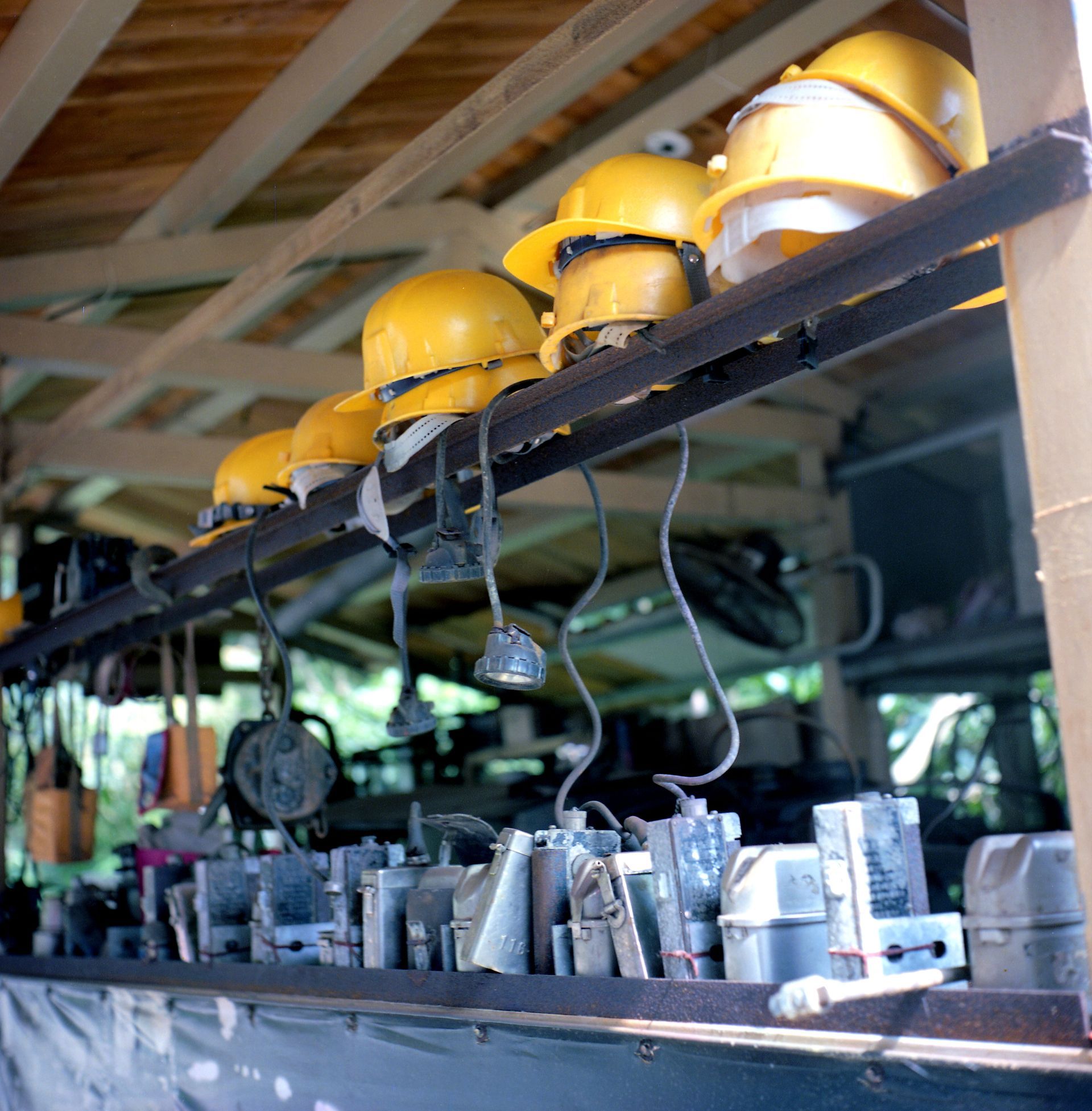
Proper PPE is essential for reducing exposure to electrical hazards. Depending on the job, utility workers may wear:
- Arc-rated clothing
- Rubber insulating gloves
- Electrical-rated hard hats
- Safety glasses and face shields
- Dielectric boots
- Hearing protection
All PPE should be inspected regularly and replaced when damaged or worn.
Lockout/Tagout Procedures
Lockout/tagout (LOTO) procedures help prevent accidental energization during maintenance or repairs. Before beginning work, crews must verify that systems are fully de-energized and properly isolated.
An effective lockout/tagout program includes:
- Employee training
- Clearly labeled disconnects
- Verification testing
- Consistent company-wide safety procedures
Ongoing Safety Training
Electrical systems and utility infrastructure continue to evolve, making ongoing education critical for worker safety. Leading utility contractors invest in continuous safety training programs covering:
- OSHA electrical safety standards
- Arc flash awareness
- Emergency response protocols
- Hazard communication
- Equipment operation and inspection
- CPR and first aid certification
Regular training helps crews remain prepared for changing job site conditions and emerging safety challenges.
Partner with Delaware Valley Utility Contractors
At Delaware Valley Utility Contractors, safety is built into every phase of utility construction and repair work. Through ongoing training, experienced field crews, and a commitment to industry best practices, the company continues to support safe and dependable infrastructure projects throughout the region.
As National Electrical Safety Month highlights the importance of awareness and prevention, it also reinforces the value of experienced utility contractors who prioritize worker protection and community safety.