June is National Trench Safety Month: Protecting Lives Below the Surface
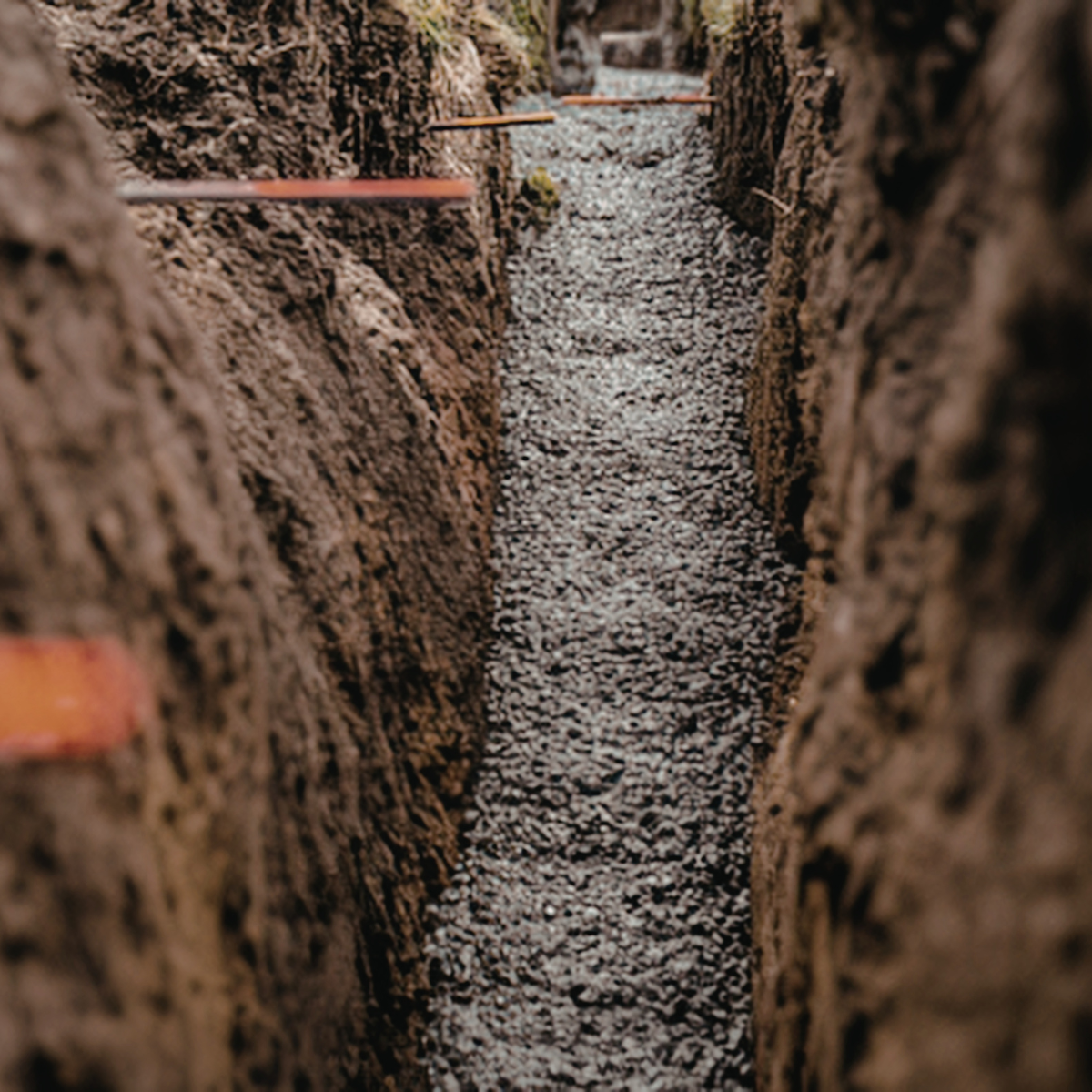
Every June, the construction and utility industries come together to recognize National Trench Safety Month, an awareness campaign founded by the National Utility Contractors Association (NUCA). The initiative highlights one of the most serious hazards on any jobsite—trenching and excavation work—and reinforces the importance of protecting the workers who perform these essential tasks every day.
At Delaware Valley Utility Contractors (DVUC), safety is more than a requirement; it's a core value that guides every project we complete throughout Pennsylvania and New Jersey. National Trench Safety Month serves as an important reminder that every trench must be approached with proper planning, protective systems, and a commitment to ensuring every employee returns home safely.
Why Trench Safety Matters
Trenching and excavation are critical components of utility construction, allowing crews to install, repair, and maintain underground infrastructure. However, they are also among the most dangerous activities in the construction industry.
A trench collapse, also known as a cave-in, can occur without warning. Workers can become buried in seconds under thousands of pounds of soil, leaving little time for rescue. In many cases, a collapse is preventable when proper safety measures are in place.
To understand the severity of the risk, consider this:
- One cubic yard of soil can weigh more than 3,000 pounds—roughly the weight of a small car.
- A worker trapped in a trench collapse may have only a minute to survive, particularly if no air pockets remain.
- Cave-ins happen quickly and often without visible warning signs.
These realities make trench safety planning essential before any excavation begins.
Trench Safety by the Numbers
The statistics surrounding trenching incidents are a sobering reminder of why National Trench Safety Month exists.
- One in five utility/construction worker fatalities is related to excavation or trenching.
- Eighty percent of trench fatalities occur in trenches less than 10 feet deep, proving that even relatively shallow excavations can be deadly.
- The absence of protective systems remains the leading cause of fatal trench collapses.
- There were 11 trench-related fatalities in the United States during 2025.
Every one of these incidents represents a life that could potentially have been saved through proper planning, training, and compliance with established safety standards.
OSHA's Three Essential Protective Systems
The Occupational Safety and Health Administration (OSHA) requires employers to protect workers whenever trenches reach 5 feet or deeper, unless the excavation consists entirely of stable rock.
OSHA identifies three primary methods of trench protection, often referred to as the
Slope
Sloping (or benching) involves cutting back trench walls at a safe angle to reduce the likelihood of collapse. The appropriate slope depends on the soil classification and site conditions.
Shore
Shoring uses hydraulic, pneumatic, or timber support systems to reinforce trench walls and prevent soil movement.
Shield
Shielding protects workers by placing trench boxes or other engineered protective systems inside the excavation. While trench boxes do not prevent a collapse, they provide a safe area should one occur.
In addition, OSHA requires that trenches four feet or deeper have safe means of entry and exit, such as ladders, ramps, or stairways, positioned so workers can exit quickly during an emergency.
The Purpose of National Trench Safety Month
Now in its ninth year, National Trench Safety Month continues to educate contractors, supervisors, and workers about preventing trench-related injuries and fatalities.
The campaign focuses on four key objectives:
- Promoting trenching and excavation safety standards
- Educating crews on soil classifications, hazards, and protective systems
- Encouraging participation in OSHA's Trench Safety Stand Down and regular toolbox talks
- Reducing injuries and fatalities through awareness, accountability, and continuous training
How DVUC Prioritizes Trench Safety
At Delaware Valley Utility Contractors, trench safety is built into every phase of a project—not added as an afterthought.
Our crews understand that maintaining a safe excavation requires continuous attention, including:
- Conducting thorough site assessments before excavation begins
- Identifying soil conditions and selecting the appropriate protective system
- Performing regular trench inspections by a competent person
- Maintaining safe access and egress for every worker
- Holding routine safety meetings and toolbox talks
- Empowering employees to recognize hazards and speak up when conditions change
Safety is a shared responsibility, and every member of our team plays an important role in creating a safer jobsite.
Safety Is Always the Right Choice
At Delaware Valley Utility Contractors, we believe no deadline is more important than the well-being of our employees. Every trench should be properly planned, protected, and inspected before anyone enters it.
As we recognize National Trench Safety Month, we encourage contractors, supervisors, and workers across the utility and construction industries to take time to review safety procedures, participate in trench safety training, and recommit to following best practices every day.
Because when safety comes first, everyone can get home safely.
Need an experienced utility contractor for your next project? Contact Delaware Valley Utility Contractors today to learn how our skilled team can deliver safe, reliable, and professional underground utility solutions.