The Top 5 Challenges of Installing Electrical Service Wire: What Property Owners and Developers Need to Know
Installing electrical service wire is a critical step in delivering reliable power to residential developments, commercial properties, industrial facilities, and municipal infrastructure. While the finished installation may seem straightforward, the work behind it involves careful planning, underground utility coordination, site preparation, safety precautions, and compliance with applicable utility and local requirements.
For property owners, developers, and construction managers, understanding the challenges of electrical service wire installation can help prevent costly delays, reduce site disruptions, and keep projects moving forward.
At Delaware Valley Utility Contractors (DVUC), we understand the importance of reliable underground utility construction. We have installed electrical service wire for businesses and homes in Pennsylvania and New Jersey, tailored to the demands of each project. Let’s take a brief look at the most common challenges of installing electrical service wire.
What Is Electrical Service Wire Installation?
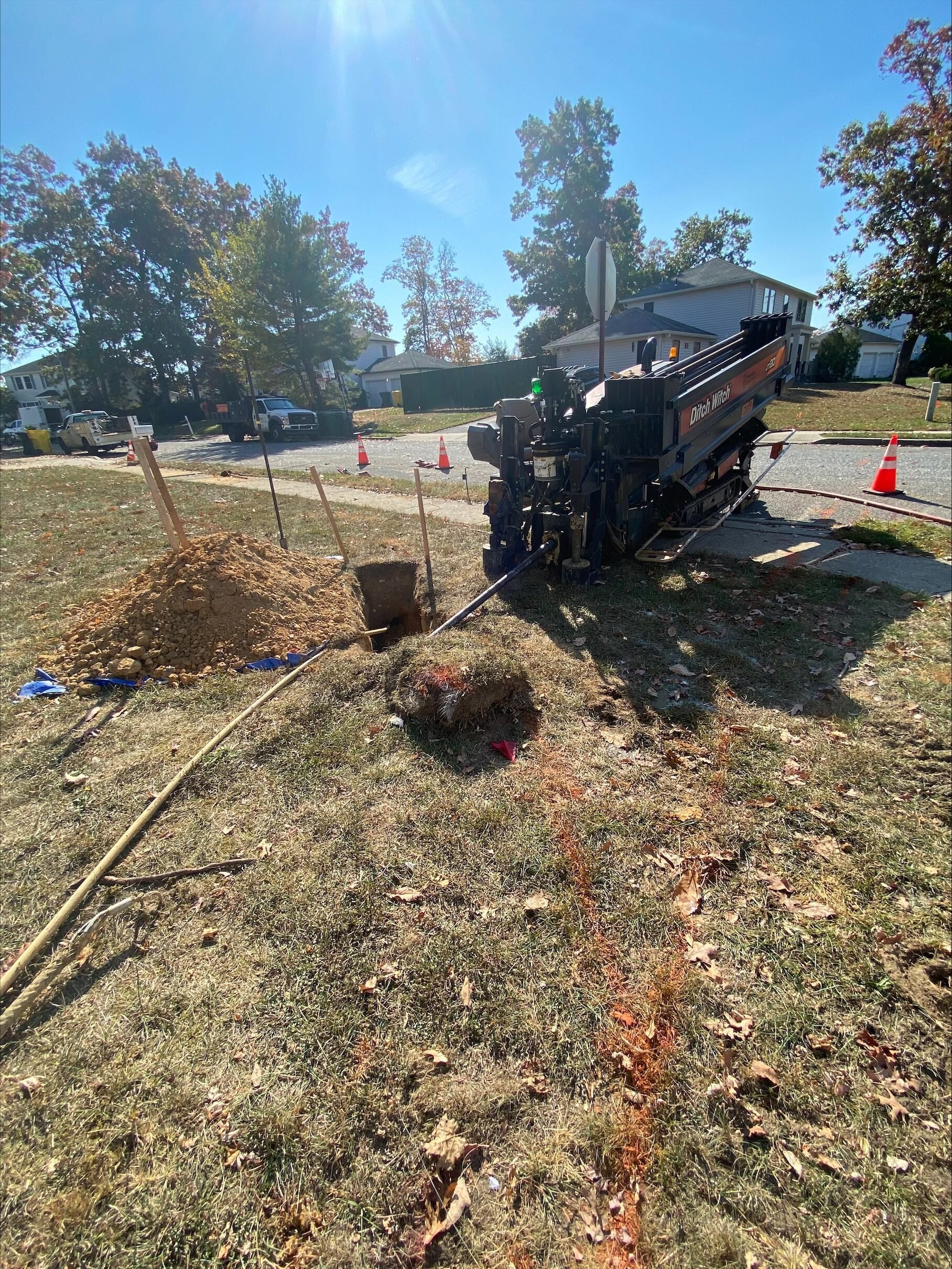
Electrical service wire installation involves establishing the electrical connection that delivers power from a utility distribution system to a property's service entrance or designated electrical equipment. Depending on the project, the installation may involve underground conductors, conduit or duct systems, utility crossings, and connections to transformers or other electrical infrastructure.
Successful installation requires more than placing wire underground. It requires coordinating the entire installation process to ensure the system is safe, accessible, and built to meet applicable requirements, especially for new builds.
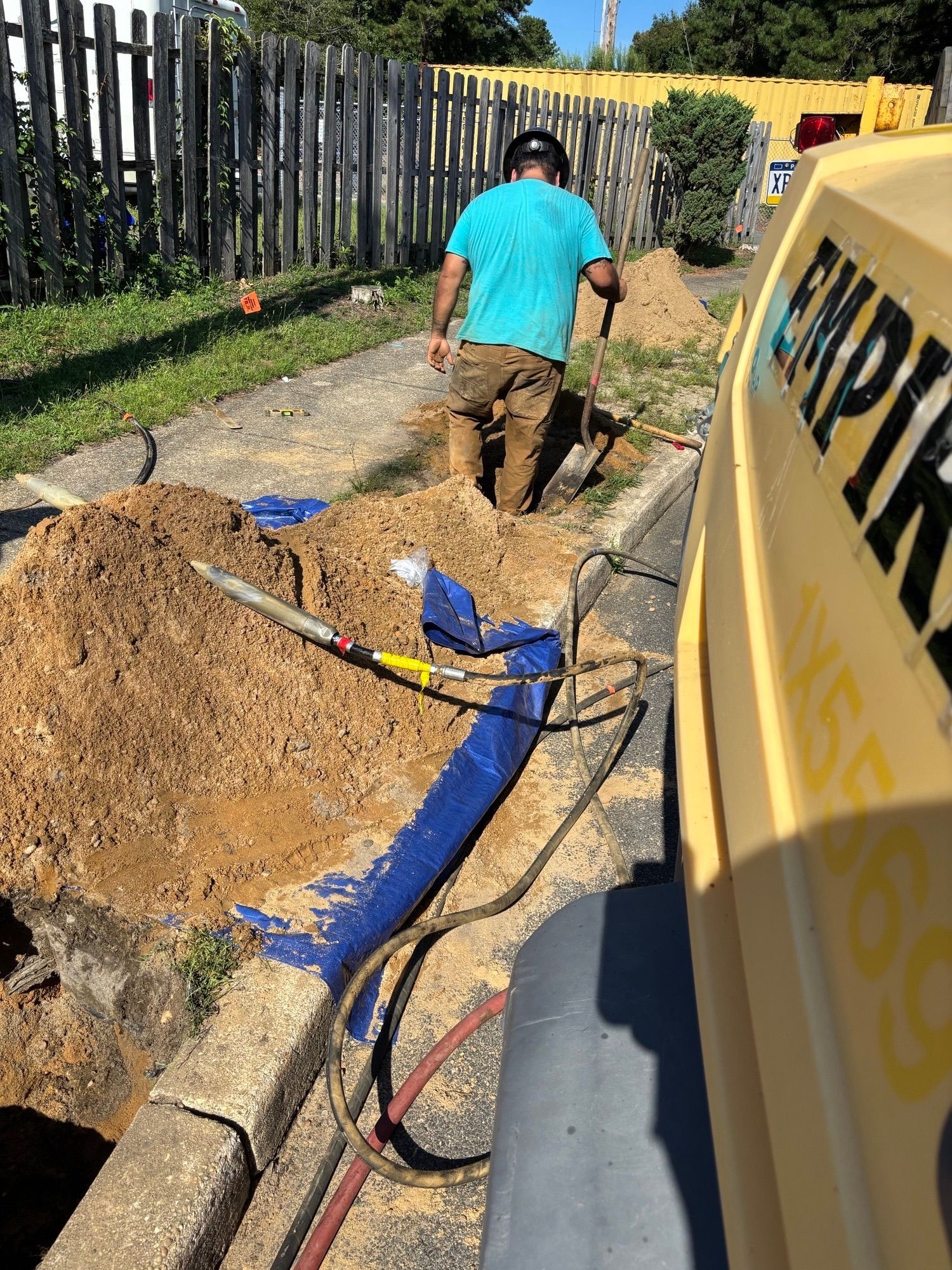
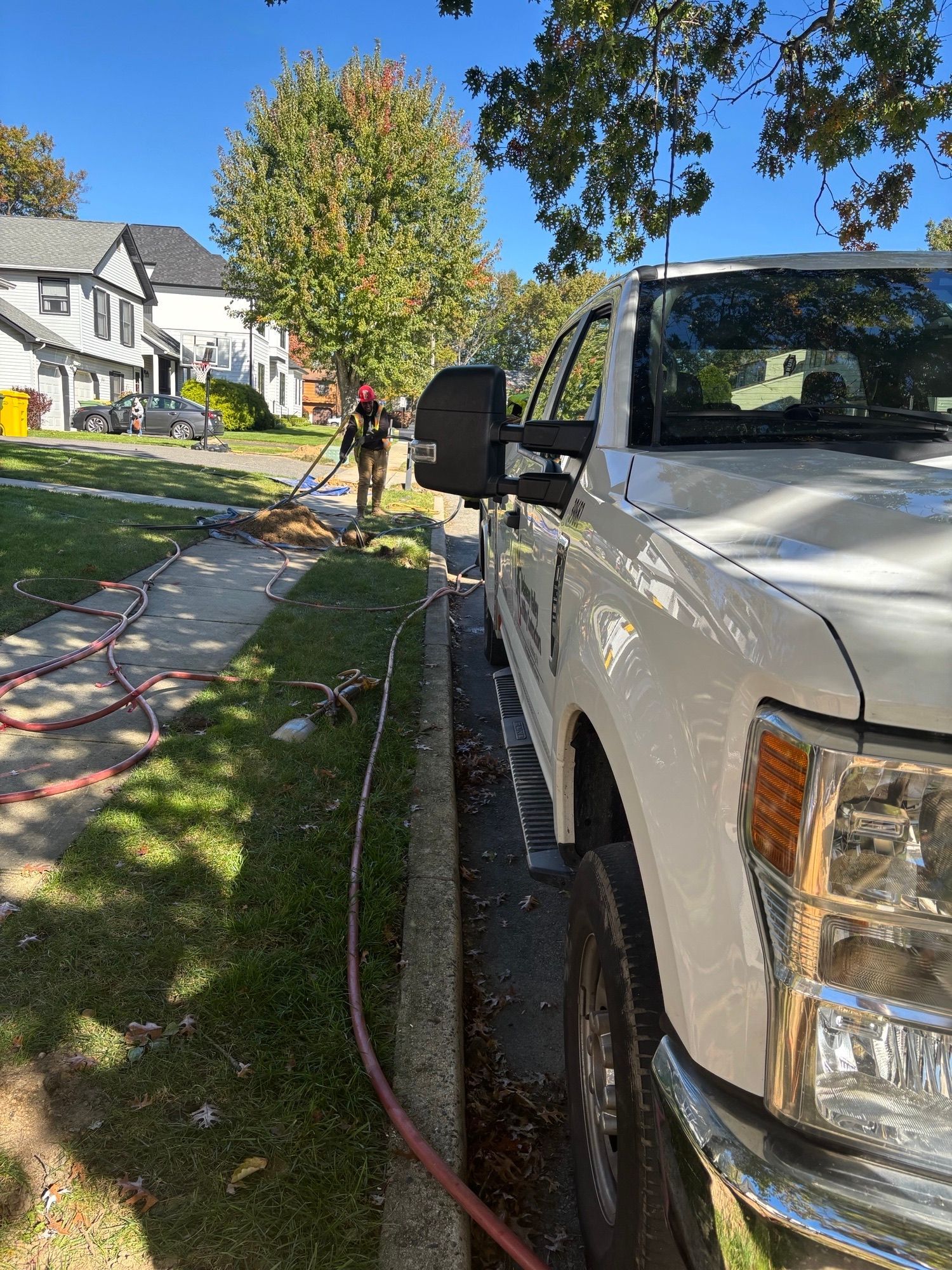
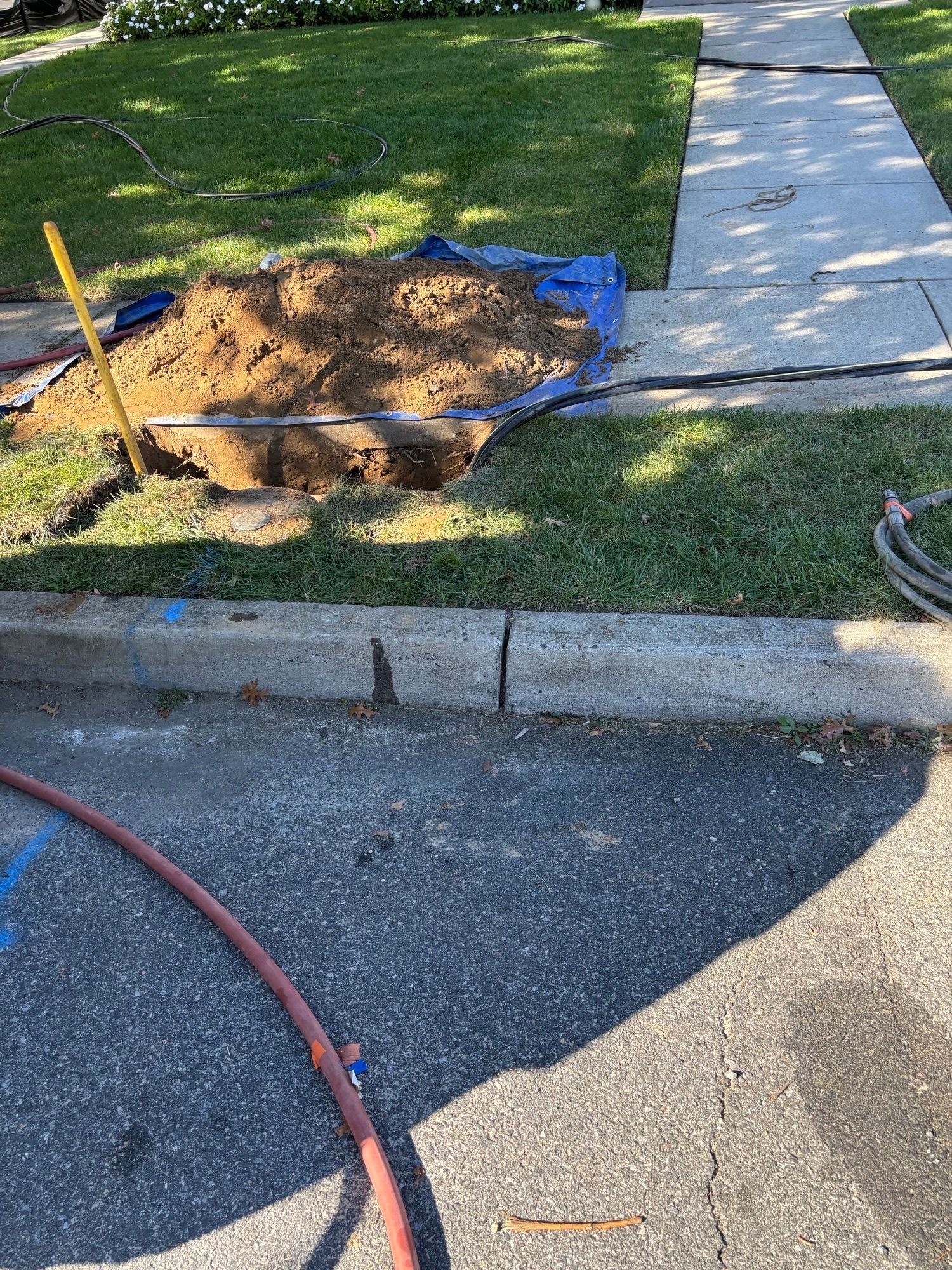
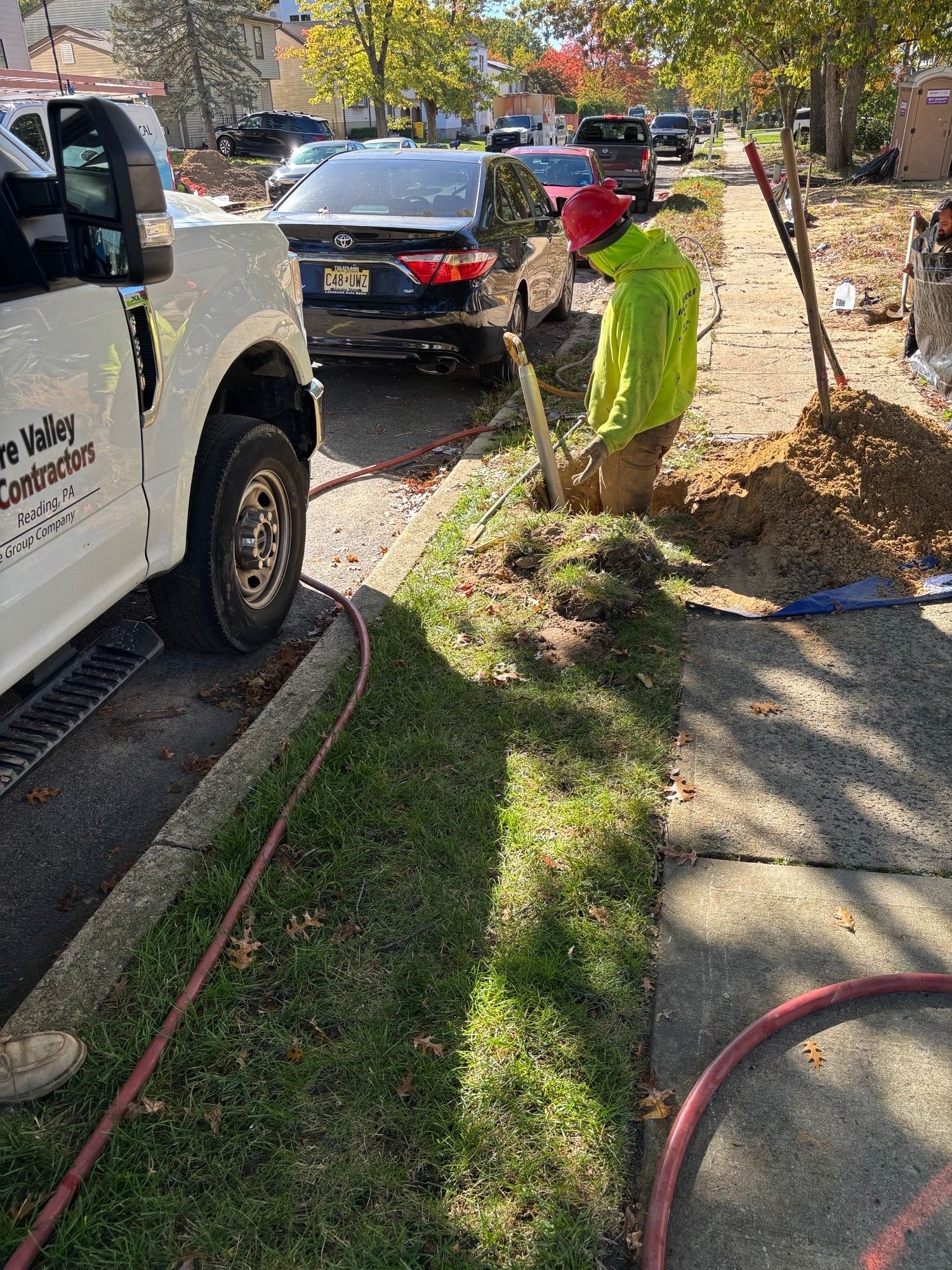
Our team recently installed 200 feet of 350 service wire from the service entrance to the front corner of a new construction house, helping bring the project one step closer to completion.

Five Common Challenges of Installing Electrical Service Wire
1. Identifying Existing Underground Utilities
One of the biggest challenges in underground electrical service installation is determining what already exists beneath the ground.
Construction sites may contain water lines, sewer pipes, gas lines, telecommunications cables, storm drains, and existing electrical infrastructure. In older developed areas, utility records may be incomplete or actual utility locations may differ from historical drawings.
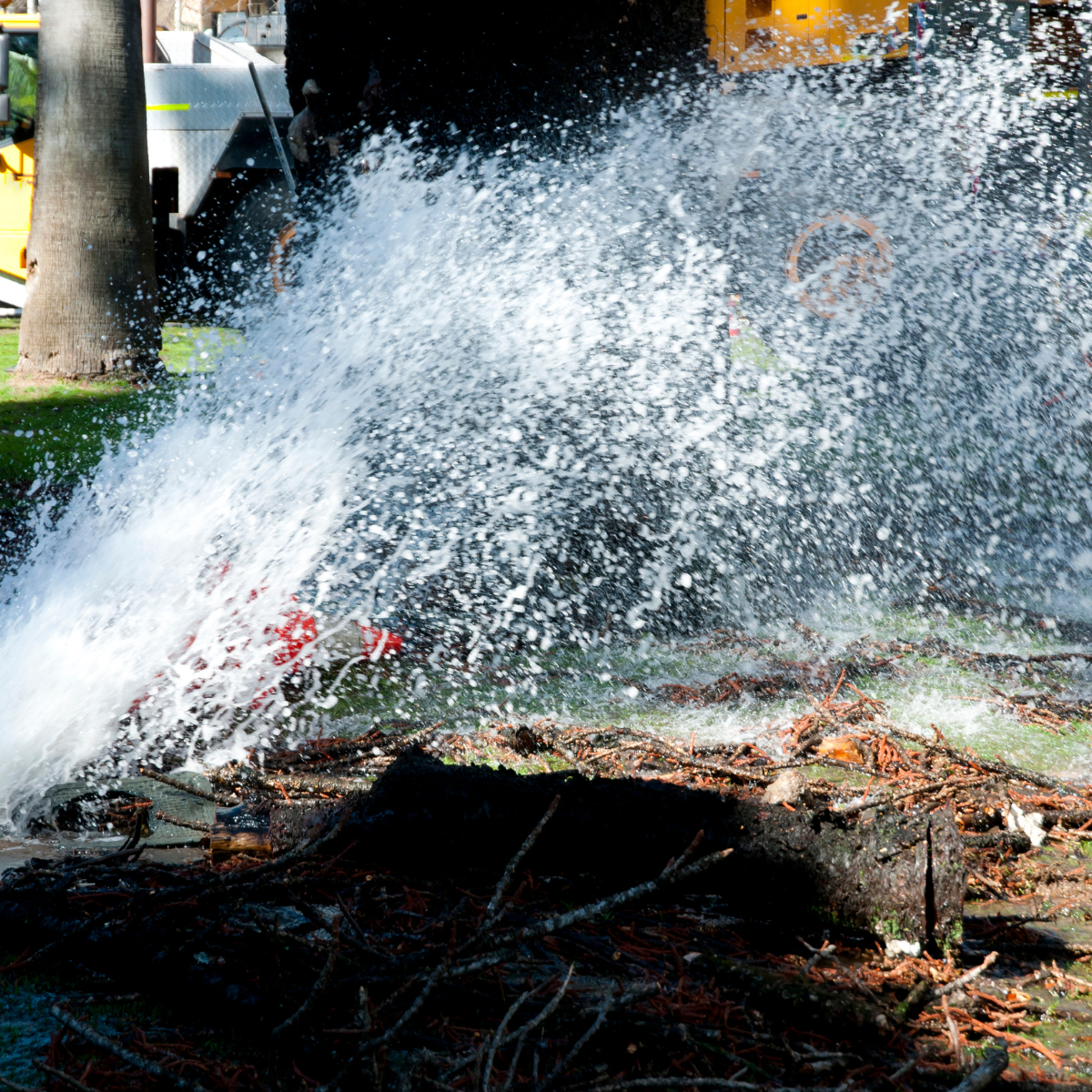
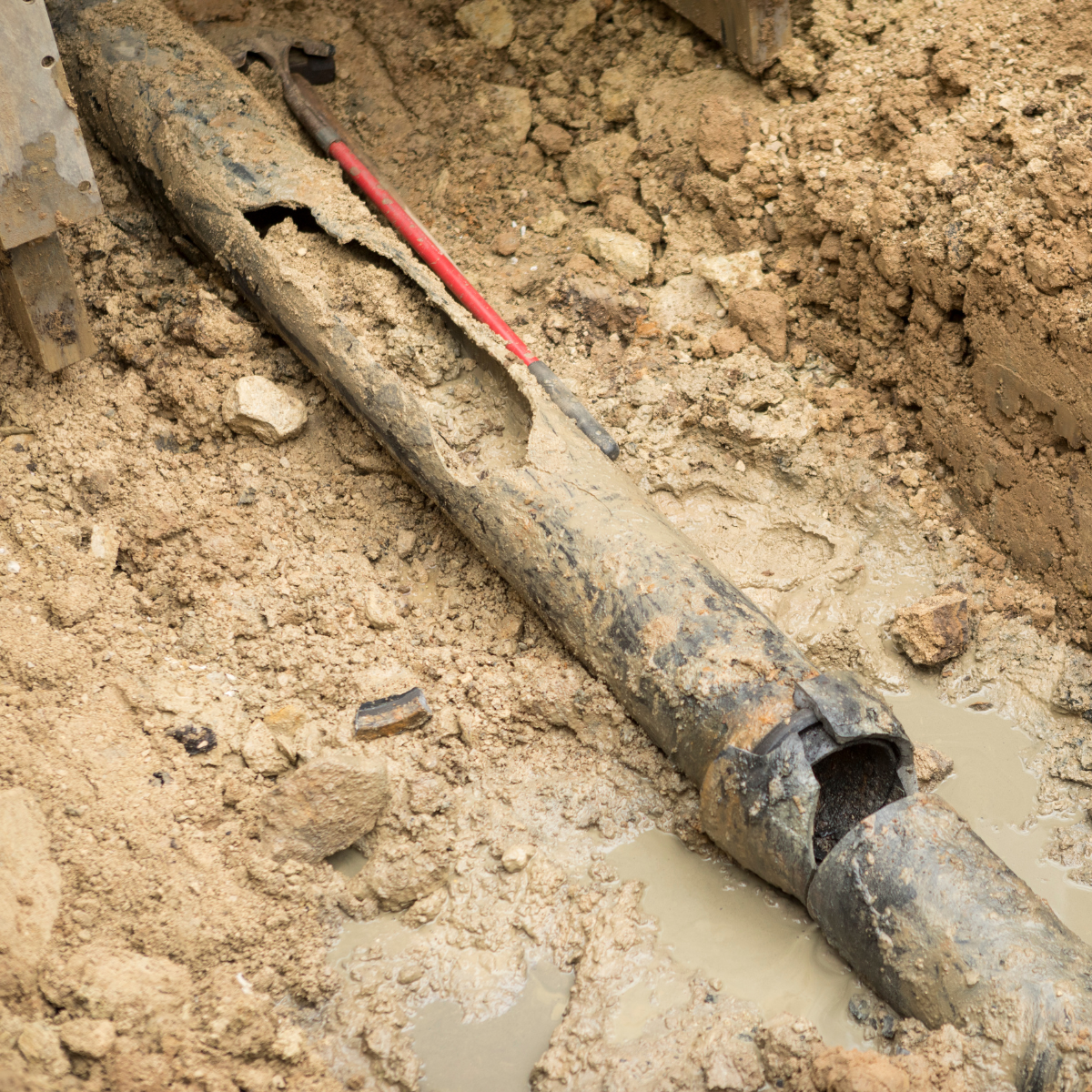
Excavating without adequate utility coordination can damage existing infrastructure, create dangerous conditions, cause service interruptions, and lead to expensive repairs.
2. Navigating Difficult Soil and Ground Conditions
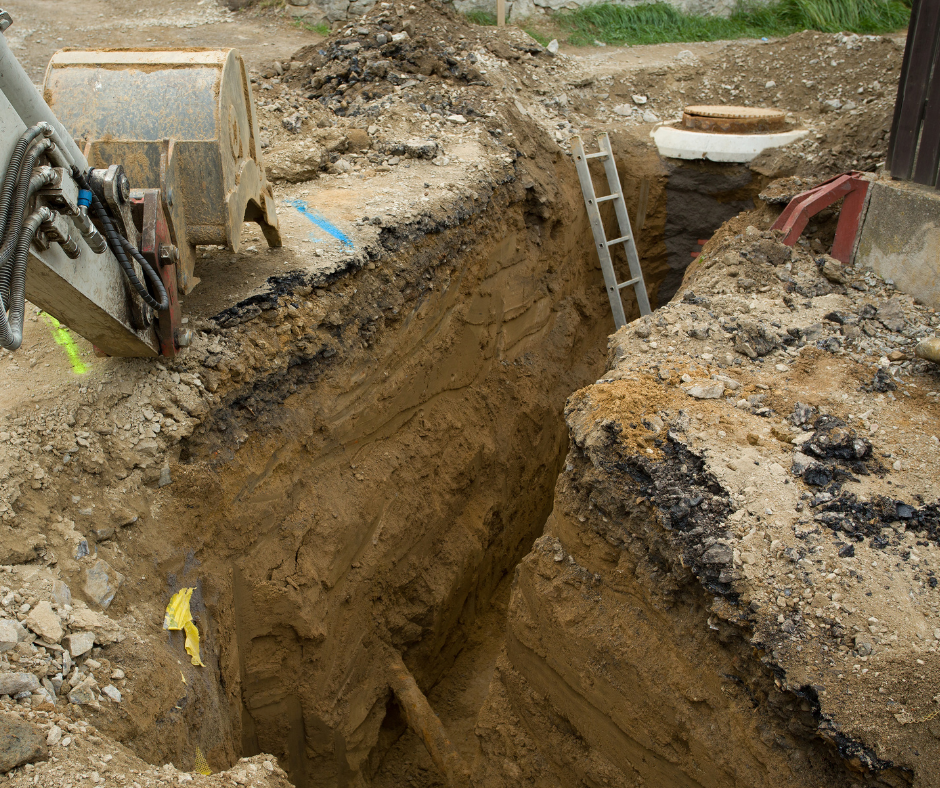
Not every property provides ideal conditions for underground electrical installation. Utility contractors may encounter rocky soil, dense clay, groundwater, unstable ground, buried debris, or unexpected obstructions.
These conditions can affect excavation methods, drilling progress, equipment selection, and installation costs. For example, a route that appears simple on a site plan may require specialized equipment or additional preparation once crews evaluate the actual ground conditions.
3. Working Around Roads, Buildings, and Existing Infrastructure
Electrical service wire projects frequently take place in developed environments where construction space is limited.
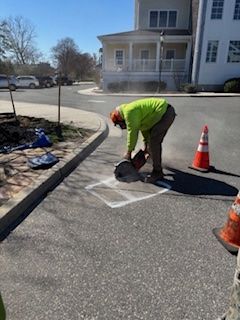
A new commercial development may require underground utilities to cross an active roadway. A residential project may need to preserve landscaping and driveway access. Municipal work may involve sidewalks, traffic lanes, drainage systems, or other public infrastructure.
Traditional trenching, if needed, can require substantial surface excavation, restoration, traffic management, and coordination with property owners. These activities can affect schedules and disrupt nearby businesses or residents.
4. Meeting Utility Specifications, Permits, and Inspection Requirements
Electrical service installations must satisfy the requirements that apply to the particular project. These may include utility-provider construction standards, electrical and safety codes, municipal permits, right-of-way approvals, and inspection requirements.
Requirements can vary by jurisdiction and utility provider. An installation that meets one utility's specifications may not automatically meet another's.
5. Protecting Electrical Conductors During Installation
Electrical conductors must be installed using methods and materials appropriate for their intended application. Improper handling during installation can damage cable insulation, compromise the integrity of the installation, or create problems that are difficult to identify once the work is buried.
Plan Your Next Underground Utility Installation with Confidence
Electrical service wire installation involves a combination of technical planning, underground utility coordination, safety management, and careful construction. From difficult soil conditions and congested utility corridors to permitting and scheduling, addressing challenges early can help reduce unnecessary costs and keep projects moving.
For property owners, developers, general contractors, and municipalities throughout Berks and surrounding counties, the right underground utility partner can help make complex installations more manageable.
Delaware Valley Utility Contractors is ready to help you evaluate your underground utility construction needs. Contact us to discuss your project and request a free quote.