Top Four Emerging Trends & Advances in HDD

DVUC • May 25, 2023

Horizontal Directional Drilling (HDD) has revolutionized the way underground utility installations and other drilling projects are carried out. As technology continues to advance, the future of HDD holds great promise for increased efficiency, reduced environmental impact, and enhanced project outcomes. Let’s take a look at the top four emerging trends and developments shaping the future of HDD.


Increased Automation: One of the significant trends in HDD is the growing integration of automation technology into drilling operations. Automated steering systems, using real-time data and advanced algorithms, allow for more precise control and guidance of the drill head during the drilling process. This automation not only improves accuracy but also reduces the need for constant manual intervention, leading to increased efficiency and productivity.


Enhanced Drilling Fluids: Drilling fluids, also known as drilling mud, play a crucial role in HDD projects by lubricating the drill string, carrying cuttings to the surface, and stabilizing the borehole. The future of HDD includes the development of enhanced drilling fluids with improved environmental properties. These fluids will be designed to minimize their ecological impact while maintaining their effectiveness in providing stability, cooling, and lubrication during drilling.


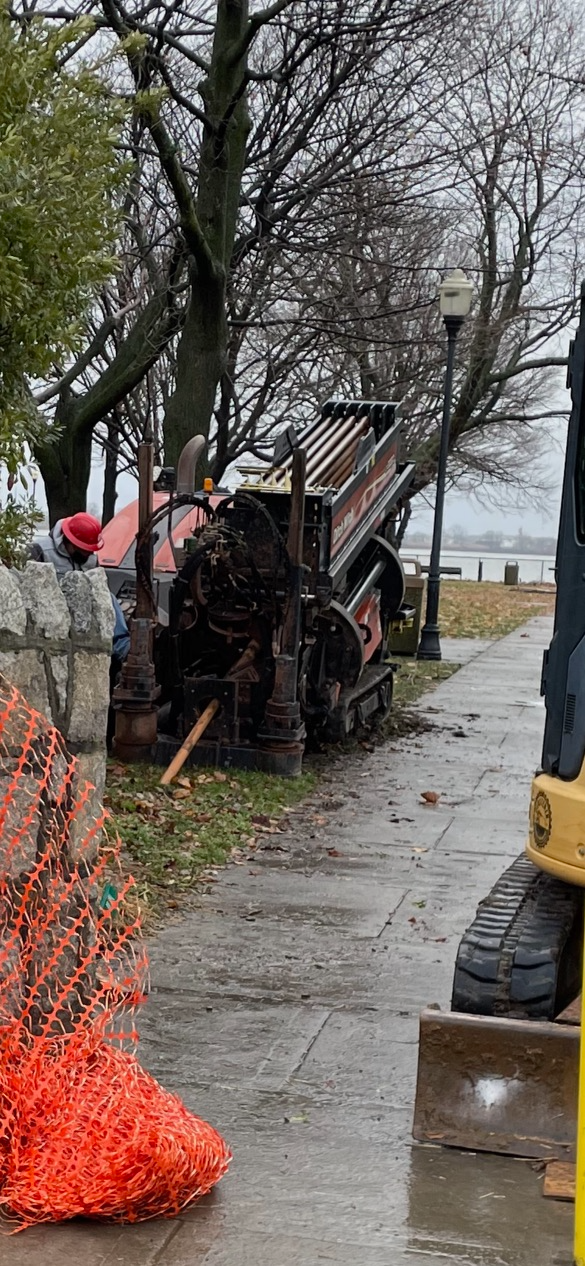
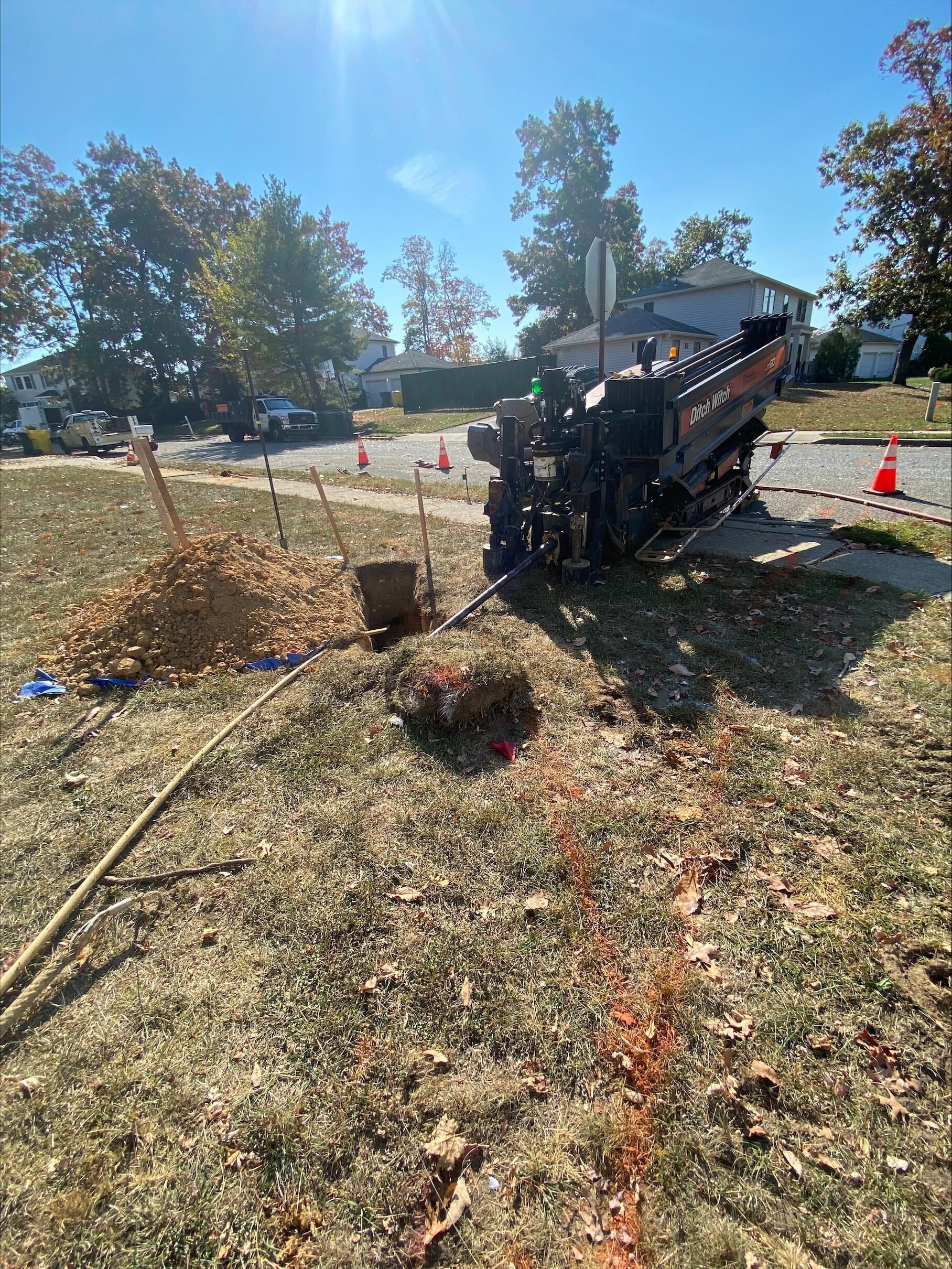
Advancements in Drilling Rig Technology: Drilling rigs are at the heart of HDD operations, and technological advancements in this area are set to reshape the future of HDD. Future drilling rigs will likely incorporate more advanced telemetry systems, allowing real-time monitoring and control of drilling parameters. Additionally, compact and lightweight rigs equipped with improved power efficiency will provide easier access to confined spaces and reduce overall project costs.


Remote Monitoring and Diagnostics: As connectivity continues to improve, remote monitoring and diagnostics will become more prevalent in the HDD industry. This technology enables project managers and technicians to remotely access and analyze critical data from the drilling site, providing valuable insights into drilling performance, equipment health, and operational efficiency. This real-time monitoring capability allows for proactive maintenance, timely troubleshooting, and data-driven decision-making.


As the HDD industry continues to evolve, embracing these emerging trends and developments will lead to more sustainable and successful drilling projects. By staying at the forefront of technological advancements, HDD professionals can seize the opportunities presented by the future of HDD and unlock new levels of efficiency and innovation in underground drilling operations. At DVUC, our experienced technicians utilize this trenchless method to provide smooth installations. Contact us today to learn more! 


  • Slide title

    Write your caption here
    Button
  • Slide title

    Write your caption here
    Button
  • Slide title

    Write your caption here
    Button
By Delaware Valley Utility Contractors May 4, 2026
What Property Owners in Pennsylvania and New Jersey Need to Know
By Delaware Valley Utility Contractors April 20, 2026
When utility emergencies strike, speed matters—but so does precision. What started as an emergency response quickly revealed a far more complex situation, requiring strategic planning, engineering expertise, and the right construction approach to ensure long-term reliability. For Delaware Valley Utility Contractors (DVUC), this project became a perfect example of how experience and adaptability turn challenges into lasting solutions.
By Delaware Valley Utility Contractors April 6, 2026
April is known for events like Easter and Earth Day , but it’s also National Safe Digging Month—a time to focus on the critical importance of preventing accidents and protecting people and essential services.
By Delaware Valley Utility Contractors March 24, 2026
Across the U.S, utility installation and repair are evolving fast. Aging infrastructure, increased development, and rising demand for reliable energy, water, and telecom systems are pushing contractors to work smarter, faster, and more sustainably. If you’re a utility contractor, developer, or municipality, here are the top five trends shaping utility construction in 2026 and how they impact your next project. 1. Trenchless Technology Is Leading the Way Modern utility projects are moving away from traditional excavation and toward trenchless solutions. Methods, such as horizontal directional drilling (HDD), pipe bursting, and cured-in-place pipe (CIPP), allow crews to install or repair underground utilities without tearing up roads, sidewalks, or landscaping. This is especially valuable in densely populated areas and surrounding suburbs, where minimizing disruption is critical. This means faster project timelines, lower restoration costs, and fewer disruptions. 2. Smart Utilities & Predictive Maintenance Utility systems are becoming more intelligent—and more proactive. With the integration of sensors, IoT devices, and data analytics, general contractors and utility providers can now detect leaks, pressure changes, and system weaknesses before they turn into costly failures. With predictive maintenance, there are fewer emergency repairs, and the infrastructure lifespan is extended, resulting in high long-term costs. 3. Increased Underground Utility Projects More infrastructure is being placed underground than ever before. Driven by extreme weather, concerns about grid reliability, and urban expansion, utility companies are prioritizing the installation of underground electric, gas, and telecom systems. This trend is particularly prevalent in the Northeast, where storms and aging overhead power lines pose ongoing risks. Utility contractors specializing in underground installation will experience increased demand and longer-term project pipelines. 4. Advanced Materials for Longer-Lasting Systems Today’s utility systems are lasting longer and performing better. New materials, such as high-density polyethylene (HDPE) pipes, corrosion-resistant conduits, and flexible composite systems, are improving durability while reducing installation time. Better materials mean fewer repairs, lower lifecycle costs, and improved client satisfaction. 5. Sustainability Is Now a Requirement Eco-friendly construction is no longer optional—it’s expected. Utility projects are now designed to minimize environmental impact through reduced excavation, lower emissions, and responsible material usage. Trenchless methods play a major role in meeting these goals. Municipalities and developers are increasingly favoring contractors who can meet sustainability standards and environmental regulations. Final Thoughts Utility installation and repair in 2026 are defined by innovation, efficiency, and sustainability. Utility contractors who embrace trenchless technology, smart systems, and advanced materials are better positioned to meet growing demand, especially in competitive markets like Pennsylvania and New Jersey. For Delaware Valley Utility Contractors, embracing these trends isn’t just an opportunity; it’s a strategic advantage in a highly competitive and rapidly growing market. Contact us today to learn how we can make your utility project run smoothly.
By DVUC March 9, 2026
Modern infrastructure projects increasingly rely on trenchless technology to install underground utilities with minimal disruption to the surrounding environment. Two of the most used trenchless methods are Horizontal Directional Drilling (HDD) and boring (or auger boring). Both techniques allow contractors to install pipelines, conduits, and cables underground without extensive trenching. However, they serve different purposes depending on project distance, complexity, and site conditions. If you're planning a utility installation or infrastructure upgrade, understanding the differences between horizontal directional drilling and boring can help you select the most efficient and cost-effective solution. What Is Horizontal Directional Drilling? Horizontal Directional Drilling (HDD) is a trenchless method used to install underground utilities along a controlled, steerable path. It is commonly used when pipelines or conduits must pass beneath obstacles such as highways, rivers, railroads, or buildings. The process begins by drilling a small pilot hole along a planned route. Using specialized tracking systems, operators can guide the drill head and adjust its direction underground. Once the pilot hole is complete, the hole is gradually widened, and the pipeline or conduit is pulled back through the drilled path. Because HDD allows operators to steer the drill head, it offers exceptional precision and flexibility, making it possible to navigate around underground obstacles and follow curved paths. Horizontal directional drilling is commonly used for: Fiber optic and telecommunications lines Water and sewer pipelines Gas and oil pipelines Utility installations beneath rivers or highways Urban infrastructure projects For projects requiring longer distances and minimal surface disruption, HDD is often the preferred method. What Is Boring? Boring is another trenchless technique used to install pipelines and utilities underground. Unlike HDD, boring typically creates straight-line tunnels between two points. The process begins with a launch pit where the boring equipment is installed. A rotating cutting head drills through the soil while augers remove excavated material. As drilling progresses, pipe sections are pushed forward behind the cutting head until the installation is complete. Because boring follows a fixed path and cannot easily change direction, it works best for short, straight crossings. Boring is commonly used for: Road and highway crossings Railway crossings Stormwater drainage installations Sewer line construction Utility conduit installation beneath streets While boring equipment is generally simpler than HDD systems, it is highly effective for projects with straightforward drilling requirements. Key Differences Between Horizontal Directional Drilling and Boring Although both methods are considered trenchless construction, they differ in several important ways. The biggest difference is steering capability. Horizontal directional drilling uses advanced tracking technology that allows operators to guide the drill head and adjust its direction underground. This makes HDD ideal for curved routes and projects that must avoid existing infrastructure. Boring, by contrast, follows a fixed straight path once drilling begins. Because it cannot easily change direction, it is typically limited to simpler installations. Distance is another key factor. HDD can drill hundreds or even thousands of feet, making it suitable for long utility installations. Boring is usually used for shorter crossings. Surface disruption also varies. HDD typically requires only small entry and exit points, which minimizes ground disturbance and can speed up project timelines. Boring often requires a launch pit and sometimes a receiving pit, which may involve additional site preparation. Environmental and Project Efficiency Benefits Both horizontal directional drilling and boring provide major advantages compared to traditional trench excavation. By eliminating the need for large open trenches, these methods help protect roadways, landscaping, and existing infrastructure. They also reduce the amount of restoration required after installation. Instead of repairing long stretches of pavement or landscaping, contractors only need to restore small entry and exit areas. For communities and municipalities, this results in less traffic disruption, reduced environmental impact, and faster project completion. Final Thoughts Horizontal directional drilling and boring both play important roles in modern underground utility construction. While boring is ideal for short, straight crossings, horizontal directional drilling offers greater flexibility, precision, and capability for complex infrastructure projects. As underground utility networks continue to expand, trenchless technologies like HDD are becoming essential for installing infrastructure efficiently while minimizing disruption to communities and the environment. Ready to Start Your Next Underground Utility Project? Choosing the right trenchless method can significantly impact your project's cost, efficiency, and long-term performance. If you're planning a pipeline, fiber optic, or utility installation, working with experienced drilling professionals ensures the job is completed safely and efficiently. At DVUC, our team has the experience and equipment to deliver both horizontal directional drilling and boring solutions. We evaluate site conditions carefully and recommend the most efficient and cost-effective approach for every project. Contact our team today to learn how HDD or boring can support your next underground utility project.
Super sucker hose down a manhole to vacuum debris.
By Delaware Valley Utility Contractors February 23, 2026
Learn the top 7 warning signs of sewer line damage, from slow drains to yard sinkholes. Discover when to call a professional before costly repairs occur.
By Delaware Valley Utility Contractors February 9, 2026
Underground pipes are a major part of our infrastructure. As the systems age, problems such as cracks, corrosion, and collapses become more common—and expensive to repair. For municipalities, contractors, and property owners, replacing failing pipes has traditionally meant tearing up roads, sidewalks, and landscaping. It’s effective, but also disruptive, slow, and costly. That’s why pipe bursting has become a game-changer in the utility repair industry. What Is Pipe Bursting? Pipe bursting is a trenchless pipe replacement method that breaks apart an existing underground pipe while pulling a new one into place along the same path. Instead of long, open trenches, crews only need small entry and exit points. The old pipe becomes fractured outward into the surrounding soil, and a new, durable pipe is installed. Minimal Surface Disruption One of the main reasons pipe bursting is gaining popularity is because of its minimal surface disturbance. Traditional excavation often means digging up streets, closing sidewalks, and destroying landscaping. Pipe bursting avoids most of that. With only small access pits required: Roads and sidewalks stay intact. Traffic disruptions are kept to a minimum. Landscaping and green spaces are preserved. In urban areas or commercial zones, this advantage alone can make pipe bursting the obvious choice. Faster Project Completion In utility repair, time isn’t just money; it’s public convenience. Pipe bursting dramatically shortens project timelines compared to open-cut methods. Because pipe removal and replacement happen in one continuous process: Projects wrap up faster. Utility downtime is reduced. Crews spend fewer days on site. This efficiency makes pipe bursting especially valuable for emergency repairs and large-scale infrastructure upgrades. Cost-Effective in the Long Run At first glance, trenchless technology may seem more expensive than traditional digging upfront. However, when reviewing the total project costs, pipe bursting is often more economical. Savings come from: Fewer labor hours Reduced use of heavy equipment Minimal surface restoration Shorter overall project duration Once you factor in avoided costs (e.g., repaving roads or rebuilding sidewalks), pipe bursting frequently proves to be the more economical solution. Stronger, Better-Performing Pipes Pipe bursting doesn’t just replace old pipes—it upgrades them. Most replacement pipes are made from high-density polyethylene (HDPE) or similarly durable materials. These modern pipes offer: Longer service life Excellent resistance to corrosion Strong, leak-resistant joints Pipe bursting also allows for upsizing. The new pipe can be larger than the original, improving flow capacity and system performance. Unlike some lining methods, the pipe doesn’t get smaller—it gets better. A More Environmentally Friendly Option Sustainability matters more than ever, and pipe bursting fits well with modern environmental goals. Because it requires less digging and fewer machines, pipe bursting results in: Reduced soil disturbance Lower emissions from heavy equipment Preservation of trees, lawns, and natural habitats This means less material waste and fewer repairs after the job is done. Versatility Across Utility Applications Pipe bursting isn’t limited to one type of project. It’s used across a wide range of utility systems, including: Sewer and wastewater lines Stormwater systems Water mains Industrial pipelines t can replace pipes made from clay, cast iron, concrete, PVC, and other materials. That versatility makes it a reliable solution for both public infrastructure and private properties. Improved Job Site Safety Open trenches can be a danger to workers and the public. Cave-ins, heavy equipment, and exposed work zones all increase the chance of accidents. Because pipe bursting requires minimal excavation: The risk of trench-related accidents is reduced. Workers spend less time around heavy machinery. Job sites are safer and more controlled. Safer projects benefit everyone, from crews to surrounding communities. Why Pipe Bursting Is the Future of Utility Repair As underground infrastructure continues to age and cities become more crowded, the need for efficient, low-impact repair methods will only grow. Pipe bursting is faster, cleaner, safer, and often more cost-effective than traditional excavation. For communities looking to modernize infrastructure without disrupting daily life, pipe bursting isn’t just an alternative—it’s the future. At Delaware Valley Utility Contractors, we have the experience, equipment, and expertise to deliver reliable pipe bursting solutions. Contact us today to learn how our pipe bursting service can be the right choice for your next utility repair project.
By Delaware Valley Utility Contractors January 20, 2026
Delaware Valley Utility Contractors (DVUC) continues to leave a decisive imprint on residential growth in New Jersey, contributing essential electrical infrastructure to a new townhome community. This multi-stage utility undertaking highlights DVUC’s expertise in underground electrical systems and reflects its commitment to enhancing thoughtfully designed developments across the region. Powering New Residential Neighborhoods from the Ground Up The project unfolded in three organized phases: each focused on bringing reliable electrical service to a section of the townhome site. DVUC began with careful trenching , shaping the subsurface to house underground utilities. The excavation prioritized site safety, operational efficiency, and compliance with municipal and state regulations. Once excavation was complete, the crew transitioned into the next phase: installing nearly 2,000 linear feet of SDR-fused, five-inch HDPE piping. Engineered for resilience, this high-performance piping acts as a protective artery for electrical lines, engineered to endure time, load, and the evolving expectations of contemporary residential living. Mastery Beneath the Surface Underground utility work demands more than equipment—it requires planning, experience, and precision. DVUC’s expert team brings all three to every project. From conduit alignment to final service integration, each task was approached with a methodical mindset. The result was a streamlined operation that limited surface disruption while upholding uncompromising safety and workmanship standards. A Respected Utility Partner in New Jersey and Pennsylvania With a portfolio spanning residential, commercial, and large-scale infrastructure projects, Delaware Valley Utility Contractors has earned the confidence of developers, builders, and municipalities throughout New Jersey and Pennsylvania. Its ability to tailor electrical solutions to each project has positioned DVUC as a reliable collaborator for both emerging and established neighborhoods. Laying the Groundwork for Thriving Communities This New Jersey townhome development exemplifies how thoughtful infrastructure becomes the backbone of community growth. From the initial trench line to the final connection, DVUC’s involvement reinforces its pledge to durability, performance, and engineering integrity. Partner with Delaware Valley Utility Contractors for underground electrical and utility expertise that delivers reliable, lasting results— contact us today to power your next project with confidence.
By Delaware Valley Utility Contractors January 6, 2026
How Can Utility Repair Companies Benefit from Green Initiatives?
By Delaware Valley Utility Contractors December 15, 2025
As 2025 comes to a close, Delaware Valley Utility Contractors (DVUC) is proud to reflect on a year of high-quality utility work across Pennsylvania and New Jersey. Let’s take a look at some project and event highlights.